
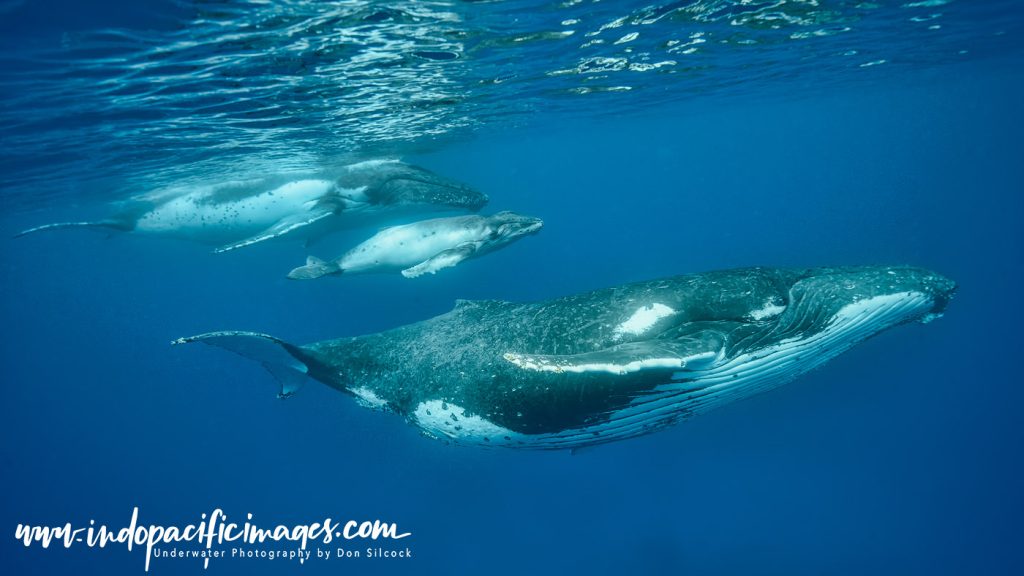
The Tongan humpback whale migration… Each year, southern humpback whales undertake one of the longest migrations of any mammal.
Travelling thousands of kilometres from the rich feeding grounds of the Antarctic to the warm, tropical waters of the Kingdom of Tonga.
This incredible journey is driven by the need to feed, calve and breed in conditions favourable for newborn calves.
During the austral summer in the Southern Ocean, humpback whales feast on vast swarms of krill — tiny shrimp-like crustaceans that form the backbone of the Antarctic food chain.
Feeding heavily during this period allows these whales to build the thick layers of blubber they will rely on during migration and while in the breeding grounds, where little to no feeding occurs.
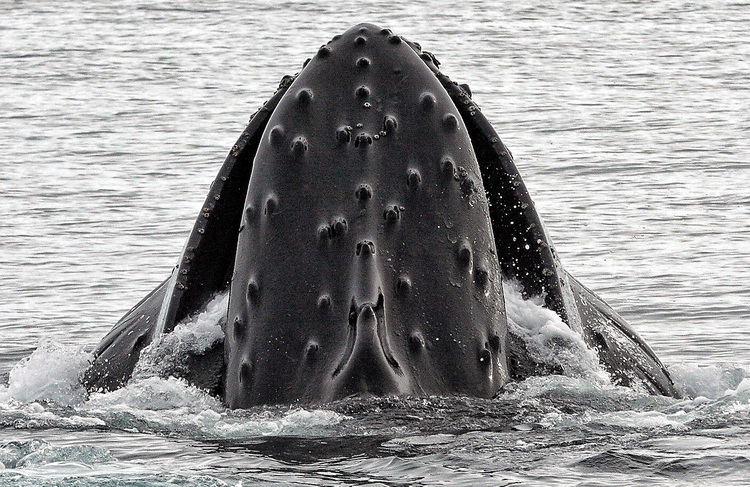
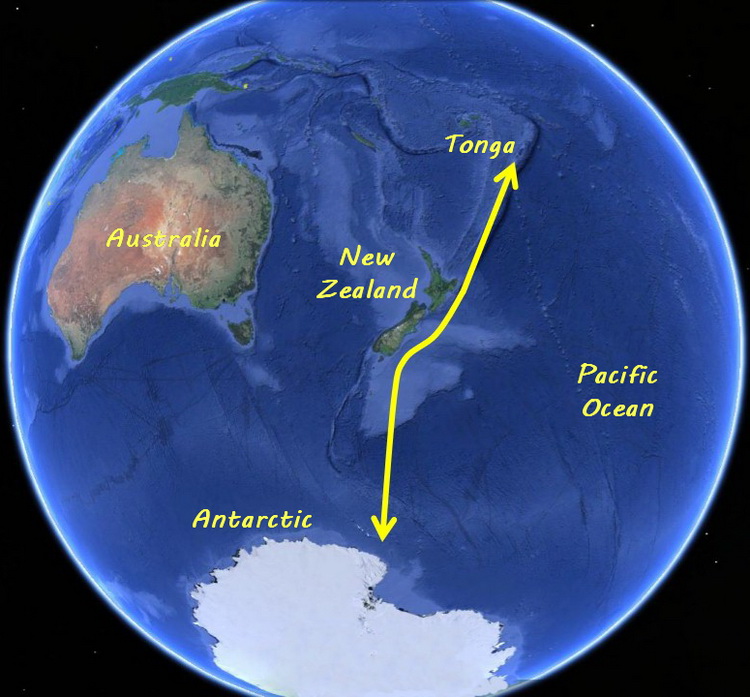
Tongan Humpback Whale Migration to Tonga
As winter approaches in the Southern Ocean, humpbacks begin their northward migration, travelling more than 6,000 km from the Antarctic along the east coast of New Zealand and into the South Pacific.
Then along the sub-sea volcanic arch that leads to the archipelago of 170 plus islands that forms the Kingdom of Tonga – all guided by instincts shaped over millennia and passed down through generations of whales.
The first whales start to arrive in the Tongan archipelago from mid-June and those warm, sheltered waters provide ideal conditions for calving and breeding.
Whereas the frigid winter Antarctic waters are unsuitable for newborn calves, as they are born without the think insulating blubber required to survive in extreme cold.
Life in the Breeding Grounds
In Tonga, the whales engage in mating behaviours and females give birth to calves that were concieved the previous year.
The calves nurse on their mothers’s rich, fatty milk – consuming between 150 to 200 liters of it per day.
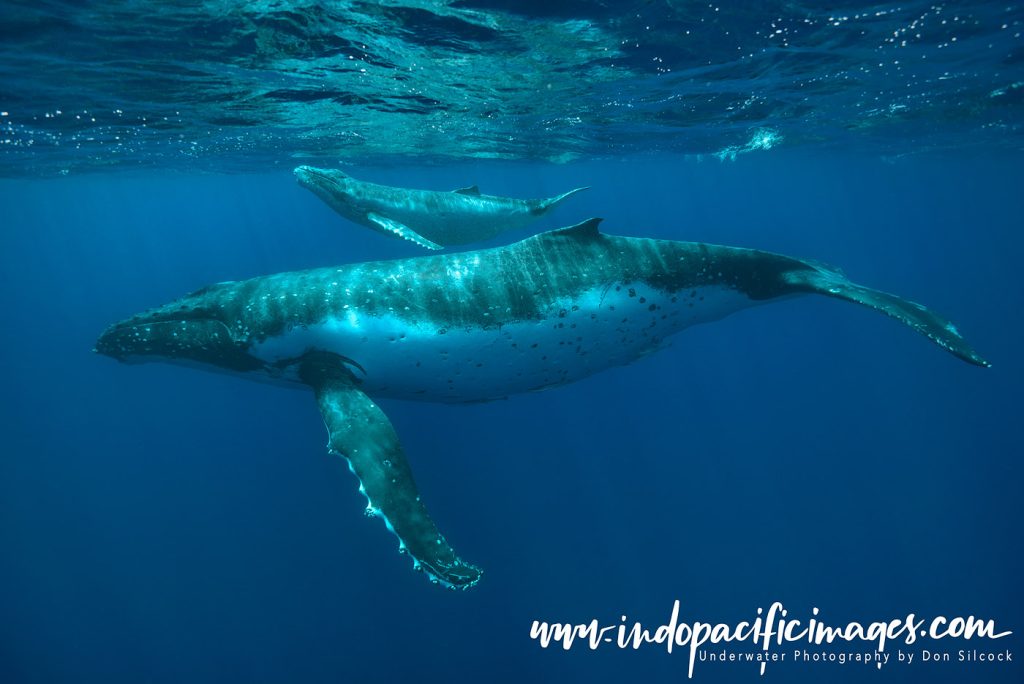
So rich is the mother’s milk that the calves can gain weight at the rate of about 45 kg per day. Whereas the mothers can lose upto 25% of their body weight during this time. By the time they begin the long journey south on first return migration, the calves are strong enough to accompany their mothers back to the Antarctic feeding grounds. A route they will learn and follow for the rest of their lives.
Back To: The Humpback Whales of Tonga – A Guide