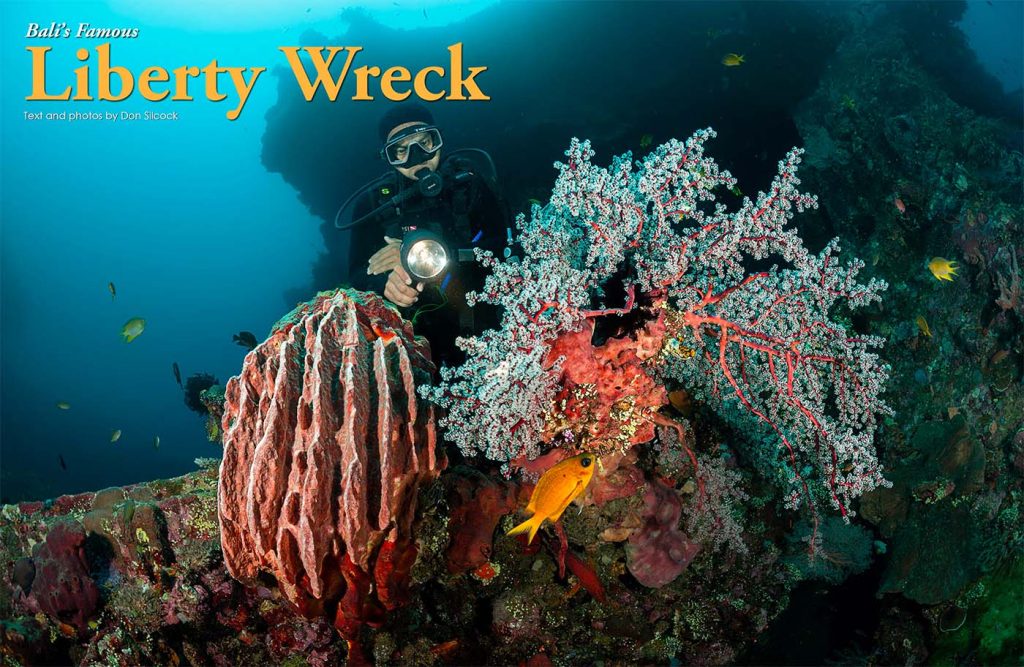
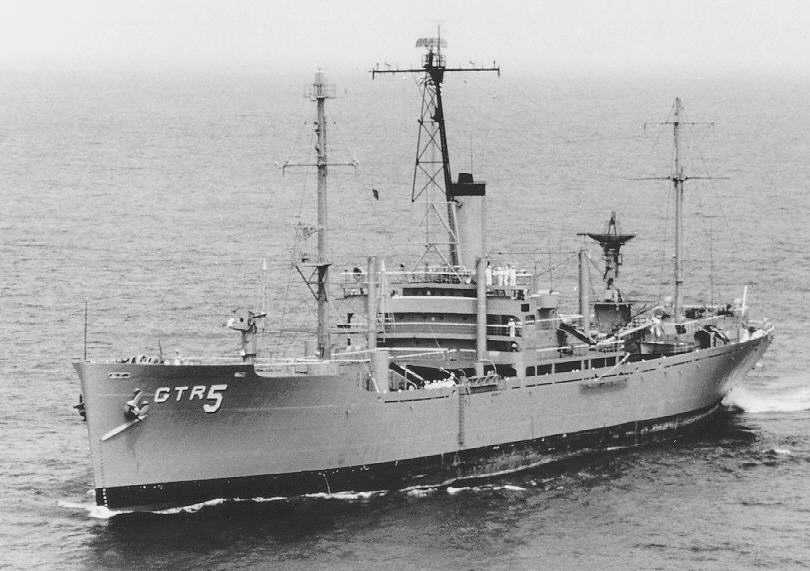
Bali’s USAT Liberty Wreck… The first faint glow of dawn was just beginning to appear in the eastern sky as the armed cargo ship and its two destroyer escorts approached the deep waters of the Lombok Strait between the islands of Bali and Lombok.
Unknown to the crews – though perhaps strongly suspected – they had already been spotted by a long-range Japanese submarine. The strait was the principal transit route through the long chain of islands that formed the southern rim of what was then known as the Malay Archipelago, making it an ideal hunting ground.
In January 1942 the Pacific War was entering a critical phase, and cargo vessels were prime targets as the Imperial Japanese Navy sought to disrupt the flow of supplies to Allied forces.
The submarine, I-166, commanded by Captain Yoshitomi Zenji, carefully maneuvered into position using its large low-light observation periscope.
As the distance closed, that scope would have been withdrawn and replaced by the submarine’s narrow attack periscope, its smaller profile greatly reducing the chance of detection.
At 04:15 Zenji gave the order to fire and moments later torpedoes slammed into the starboard side of the cargo ship.
The Beginning of the End
The ship, the USAT Liberty, was crippled and suffered severe flooding. Unable to continue under her own power, the ship was taken in tow by the destroyers. And they attempted to bring the stricken ship to the Dutch port of Singaraja on the north coast of Bali.
They managed to reach Tulamben Bay on the island’s north-eastern tip. But with the ship in imminent danger of sinking she was deliberately run aground on the beach. There she remained for more than two decades, slowly rusting under the tropical sun while local villagers salvaged useful pieces of metal from the abandoned hull.
Few could have imagined that the ship would one day become one of the most famous dive sites in the world.
The Wrath of Mount Agung
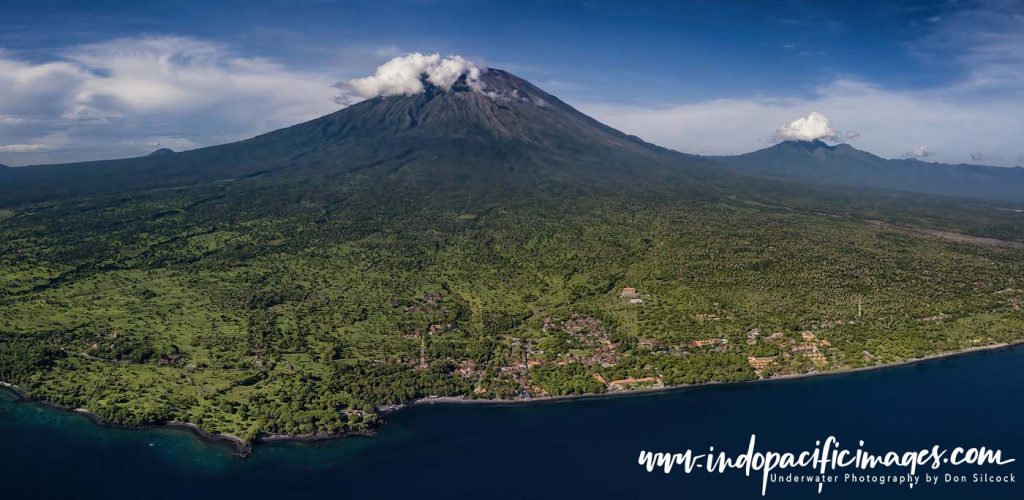
North-east Bali is dominated by the towering presence of Mount Agung, the island’s largest and most sacred volcano.
For the deeply spiritual Balinese people, Mount Agung is far more than a geological feature.
It is regarded as the earthly home of the gods and the spiritual center of the island.
In February and March 1963, the volcano erupted with devastating force.
Lava flows cascaded down its slopes, destroying villages and ultimately claiming the lives of an estimated two thousand people.
The eruptions were accompanied by powerful earthquakes that shook much of eastern Bali.
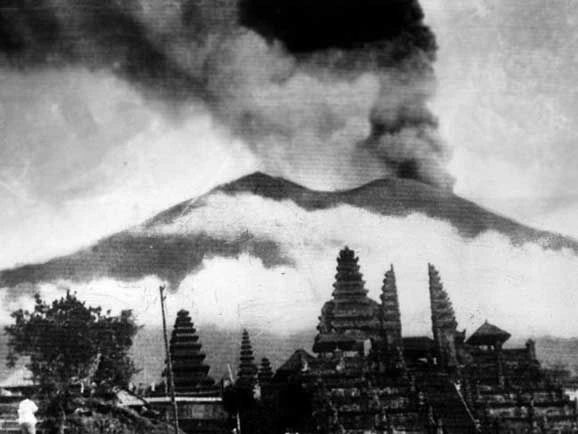
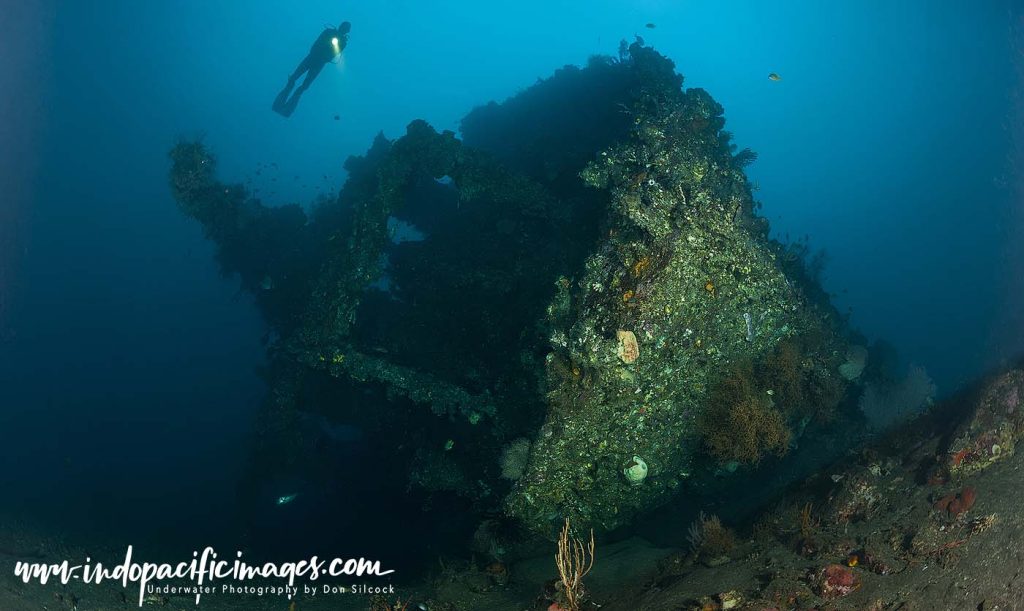
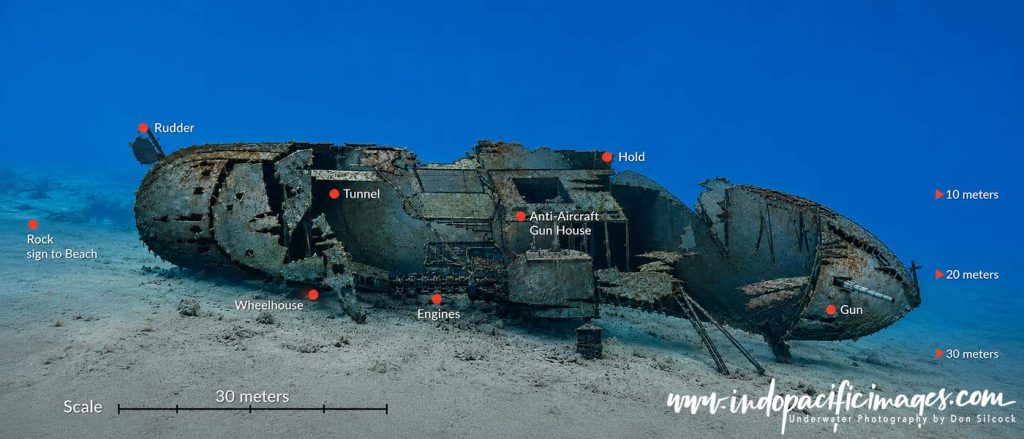
Those tremors dislodged the rusting remains of the Liberty from the beach where she had rested since the war. The hull began to slide slowly down the steep volcanic shoreline until it finally slipped beneath the water.
There, about 30m from shore, the ship finally came to rest on the black volcanic sand of Tulamben Bay. And, what had once been a wartime casualty, had now become an underwater relic waiting to be rediscovered.
The First Scuba Divers…
Exactly who first explored the submerged wreck is not entirely clear. But Indonesian diving pioneers such as Wally Siagian and Larry Smith were almost certainly among the earliest divers to visit the site.
In the early 1980s scuba diving in Bali was still in its infancy. The island’s small number of dive operations were based in the southern towns of Sanur and Benoa, and reaching Tulamben required a long journey along rough coastal roads. By then the Liberty had been underwater for nearly twenty years, and a dramatic transformation was well underway.
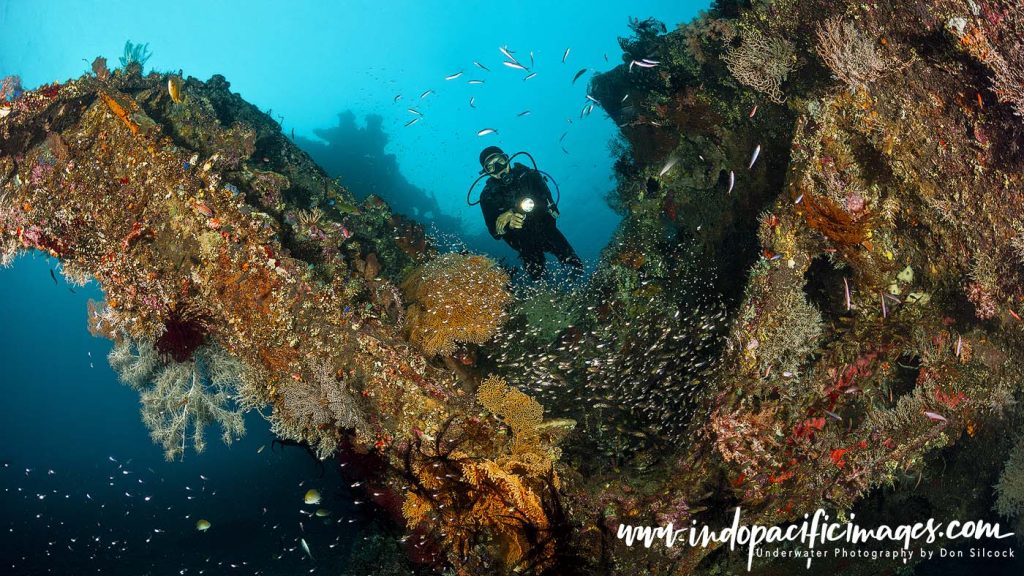
Tulamben Bay slopes steadily into deeper water and is composed mainly of soft volcanic sand – substrate that offers few opportunities for marine life to establish itself. The large steel structure of the wreck changed that completely.
Its metal surfaces provided ideal hard substrate for corals, sponges and other marine organisms to colonize. Over time the Liberty developed into exactly what it remains today: one of the most successful artificial reefs in the Indo-Pacific.
The Word Spreads
As scuba diving grew in popularity during the late 1980s and early 1990s, the coastal town of Sanur established itself as the epicenter of Bali’s emerging dive industry. Ironically, very few of Bali’s best dive sites are located close to Sanur itself. Instead dive operators organized early-morning departures to the island’s best locations on the east and north-east coasts. And, in doing so they effectively created what became known as the Bali “dive safari”.
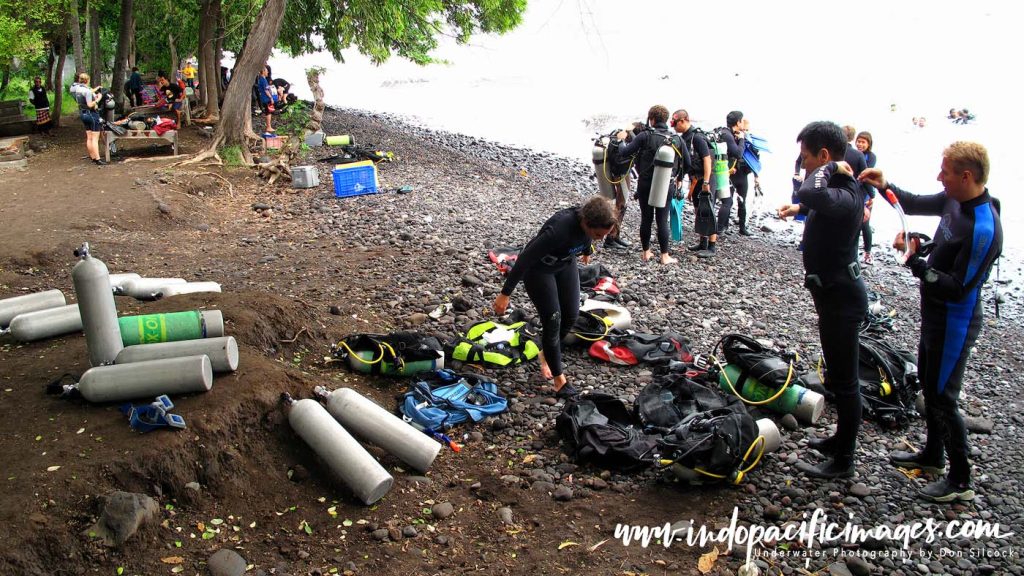
Among those destinations, Tulamben quickly stood out. With its relatively easy shore entry and the dramatic wreck of the Liberty lying just meters from the beach, it soon became the the most popular site on the itinerary. Before long small dive resorts and guesthouses began appearing in the village itself, allowing visiting divers to stay close to the wreck rather than making the long journey back to southern Bali each day.
Mass Tourism Comes to Town
As the old tourism saying goes “build it and they will come” – the Tulamben version could very well be “sink it and they will come”.
And come they did… On busy days more than a hundred divers may enter the water to explore the wreck. Many are relatively inexperienced, and local guides often work have to work really hard to ensure their guests enjoy the dive while trying to minimize potential impact on the fragile marine life on the wreck.
And yet, despite the crowds and the constant pressure, the Liberty remains remarkably resilient! Because the nutrient-rich waters flowing along Bali’s north-east coast create eddies which continually sweep around Tulamben Bay, providing a steady supply of food that sustains the reef growing on the wreck.
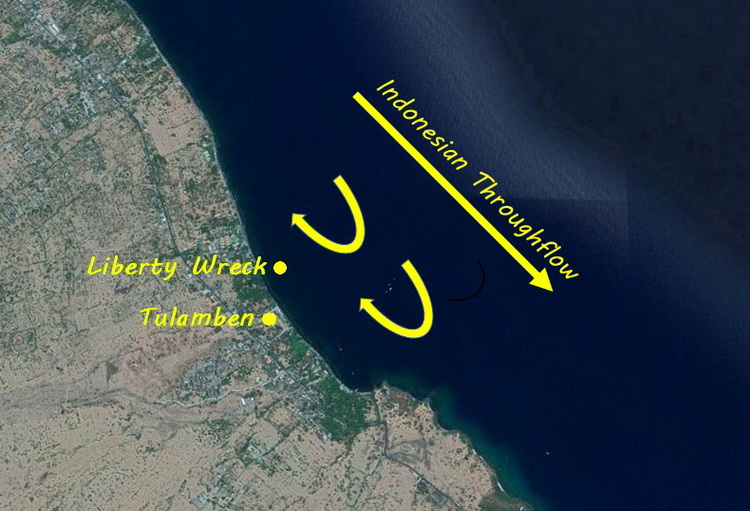
This continuous replenishment is the key to the Liberty’s enduring vitality as a living ecosystem.
USAT Liberty Wreck – A Personal Perspective
I first dived the Liberty in 1999, and I vividly remember how impressed I was by the abundance of marine life and the beautiful soft corals that had colonized its structure. When I returned in 2005 I carried my first DSLR camera – a Nikon D100 – and captured my earliest digital images of the wreck.
The Liberty soon became something of a fascination for me. I returned in 2007 and 2010, but despite those visits I never felt I truly understood the wreck. Its collapsed structure spreads across the slope in a confusing arrangement of ribs, holds and twisted steel. And I often found myself stopping mid-dive to work out exactly where I was.
In 2012 I decided to change that and booked a full week of diving with Tulamben Wreck Divers, who enjoy an excellent reputation for showing visiting divers the best parts of the wreck at the right times of day.
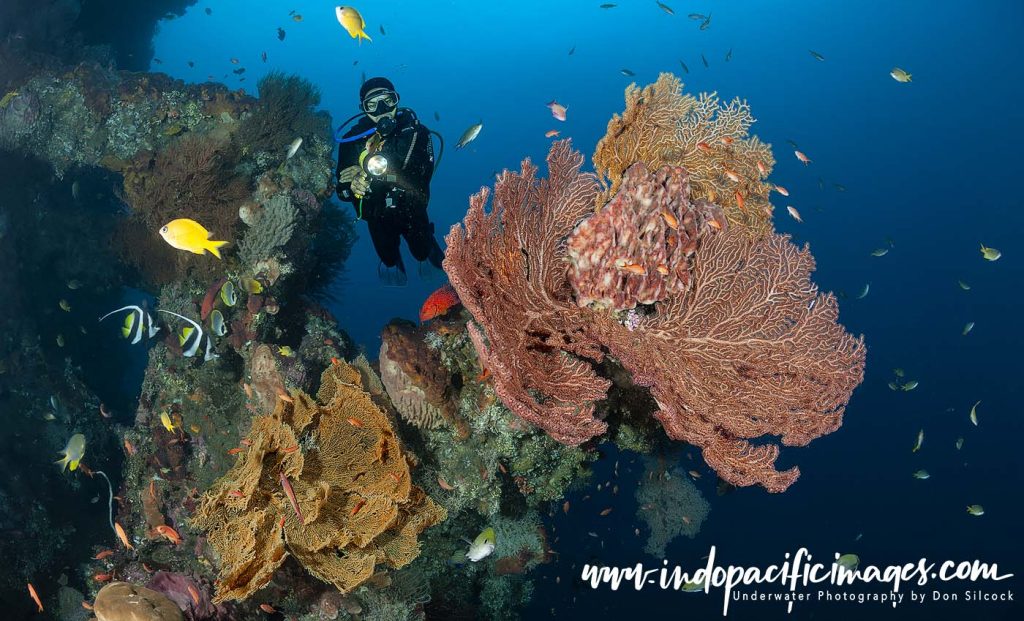
At the time the operation was run by Australian dive industry veterans Tony and Dot Medcraft. Tony had previously developed the dive scene at Ningaloo Reef through the Exmouth Dive Centre before relocating to Bali in 2001, where he established TWD with former dive guide turned local entrepreneur Wayan Ambek.
A Living Microcosm
Tony’s advice was simple… If I really wanted to understand the Liberty, I needed to dive it early in the morning. And then return throughout the day to explore different sections of the wreck, each time with a specific objective.
The Liberty, he explained, was something of a microcosm. A living system nourished by the nutrient-rich waters sweeping around Tulamben Bay. So, I took his advice and dived the wreck five times a day, for seven days. Documenting the experience and what I learned in an article published in X-Ray magazine issue #48.
Pre-Pandemic…
Despite living in Bali since 2013, it was not until January 2020 that I finally managed to return for another round of intensive diving on the Liberty wreck with Tulamben Wreck Divers.
The word on the street amonth the Bali diving community indicated that conditions at the wreck were becoming increasingly crowded, and I arrived with a a high degree of apprehension. In reality, however, I was pleasantly surprised.
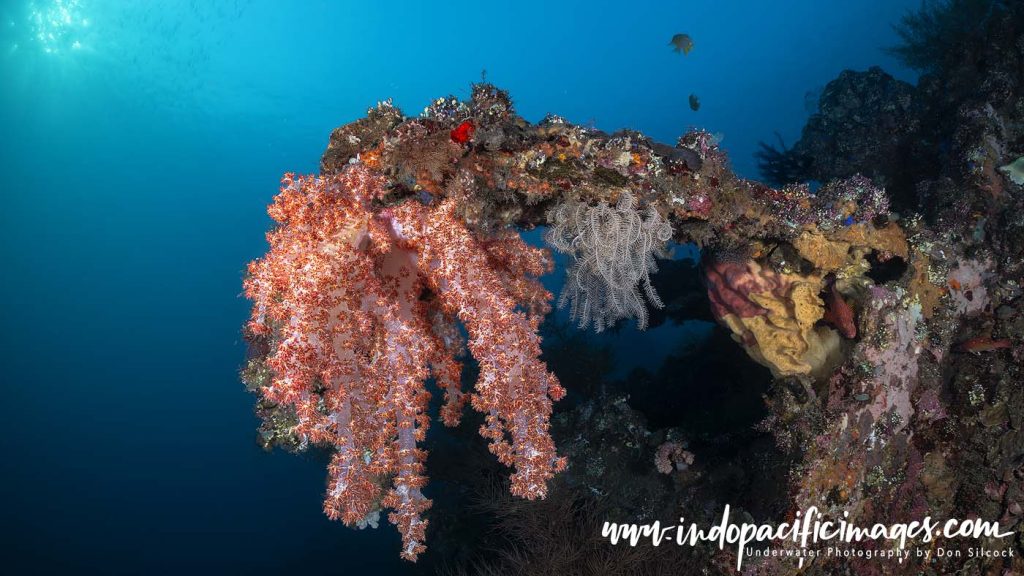
The marine growth remained healthy and vibrant. In many places it had changed noticeably since my previous visit eight years earlier, suggesting that the Liberty’s artificial reef ecosystem was constantly evolving.
Fast Forward to 2026
Another five years passed before I returned to Tulamben in March 2026. Over the course of a seven-day stay, I once again immersed myself in the Liberty – but after the first day, I made a significant change to my routine.
Rather than following the typical schedule of multiple daytime dives and a night dive. I chose to focus on just three carefully timed dives on the wreck each day. It was a decision that quickly proved worthwhile.
Early Morning on the USAT Liberty Wreck
Just after sunrise is, for me, the finest time of day to be on the Liberty.
In the soft early light, the wreck emerges slowly from the darkness, its structure illuminated by shafts of sunlight filtering down through the water. At that hour, Tulamben Bay is still and quiet, and the wreck has a calm, almost contemplative atmosphere rarely experienced later in the day.
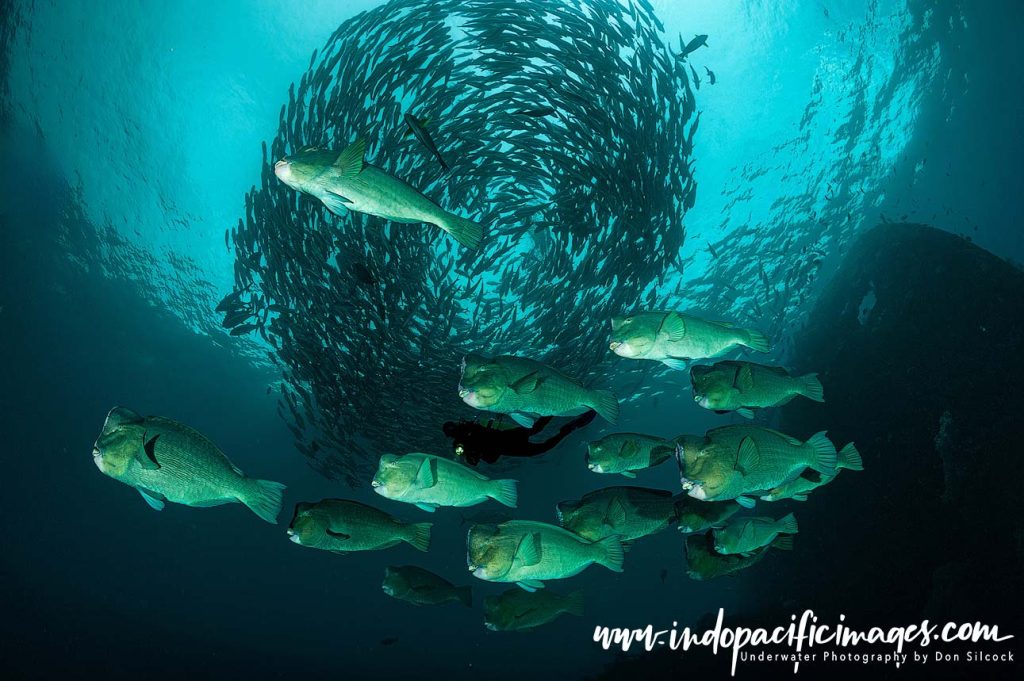
Before the pandemic, there was an added attraction. At around 06:00, a large school of bumphead parrotfish would gather near the stern in about 15m of water. Where they would perform their curious morning ritual before heading out to feed.
These impressive fish spent the night sheltering around the bow. Before moving toward the stern at first light, offering divers a brief but memorable encounter.
On this visit, however, they were nowhere to be seen. Local accounts suggest that many were taken during the difficult months of the pandemic, when some coastal communities struggled to find food. Whether they will eventually return remains uncertain.
My preferred approach is to begin either at the stern, which lies in around 16m. Or to descend directly to the bow at approximately 32m, using roughly half a tank for the initial exploration. Then I work slowly toward the mid-section before gradually ascending along the slope. Finishing the dive in the shallows near the main entry point.
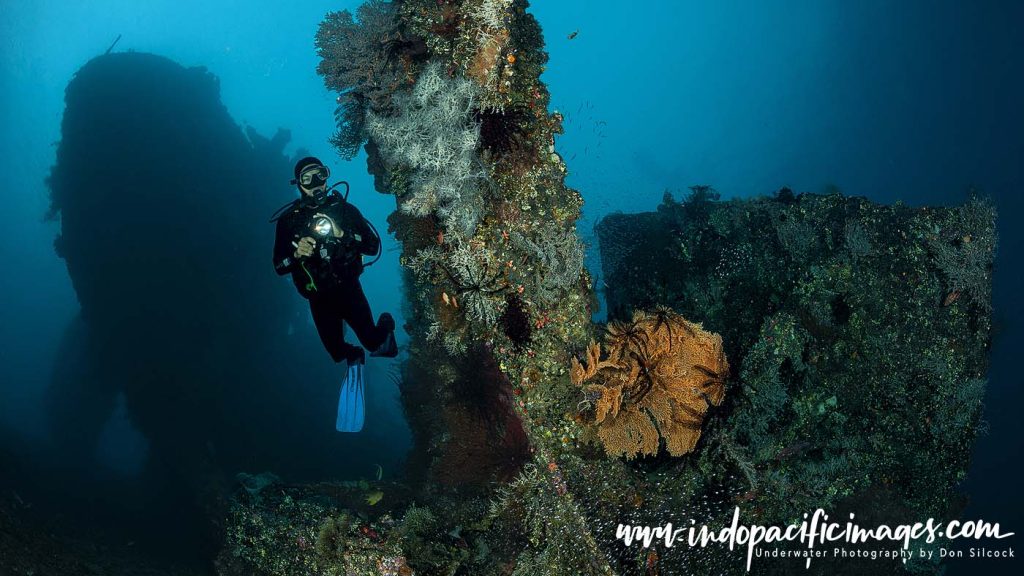
Midday
Late morning through to early afternoon (roughly 10:00 to 15:00) presents a different set of conditions. In the past, I often used this window for macro photography, working around the increased diver traffic on the wreck.
On this trip, however, I quickly realized the experience had changed.
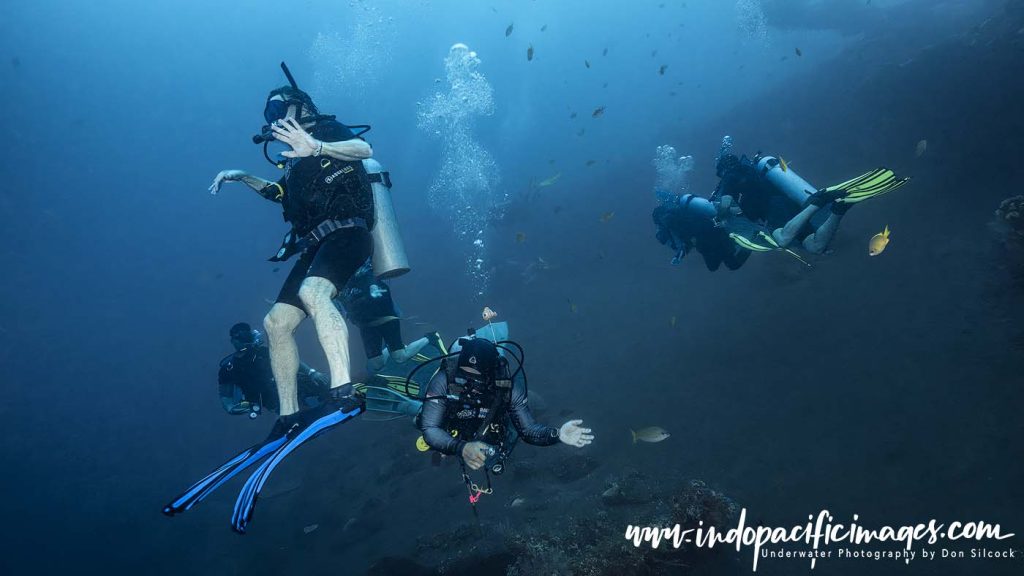
With large numbers of day divers visiting the site, the atmosphere during these hours can become busy. And, at times, really quite challenging – particularly for wide-angle photography. Rather than persist, I chose to adapt…
Tulamben and the surrounding coastline now offer a wide range of excellent macro sites. Many of which are characterized by black sand and rubble substrates rich in small marine life. Guided by the team at Tulamben Wreck Divers, I began using this part of the day to explore those alternative locations.
The result was a far more productive and enjoyable routine… An early morning dive on the Liberty, followed by a relaxed breakfast. Then a two-dive macro session at nearby sites before returning in the early afternoon.
Late Afternoon on the USAT Liberty Wreck
By mid-afternoon, the dynamic at the Liberty shifts once again.
As day divers begin to leave, the number of people on the wreck drops significantly, and a sense of calm gradually returns.
By around 16:00, conditions are often far more conducive to a relaxed and rewarding dive.
While the light at this time of day can make wide-angle photography more challenging, and visibility is often slightly reduced, the quieter conditions open up new opportunities.
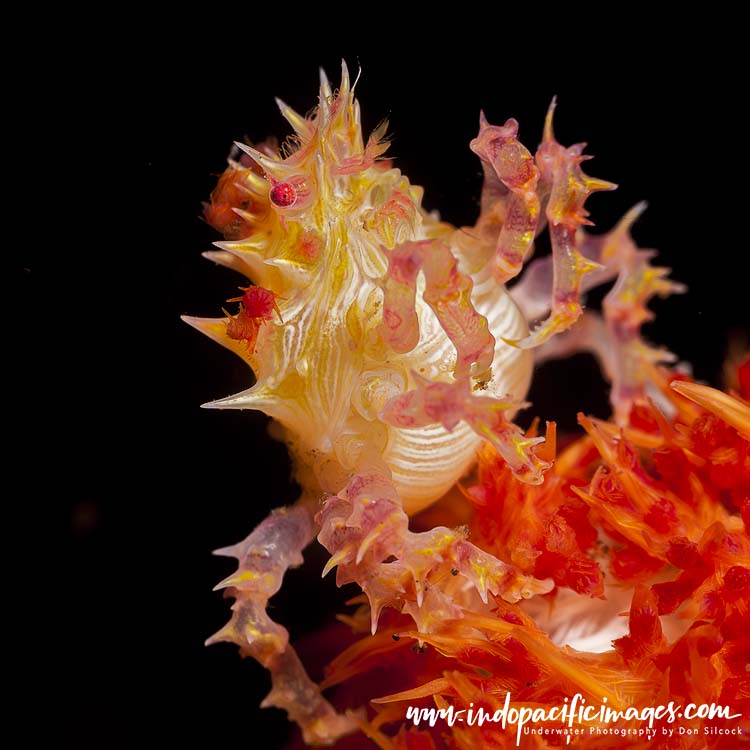
For me, late afternoon is particularly well suited to macro photography.
The wreck is home to a wide variety of small, photogenic subjects, although it has to be said that many of them are not immediately obvious.
As is so often the case in Indonesia, an experienced local guide really does make all the difference in locating these hidden treasures.
After Dark
A night dive on the Liberty is a very different experience again.
Even during the day, the wreck’s collapsed structure can be disorienting, and after dark that effect is amplified. Without a clear frame of reference, it is easy to lose your bearings among the twisted steel and shadowed spaces.
For that reason alone, diving the wreck at night is best done with a knowledgeable guide.
The local dive teams, who explore the site almost daily, have an intimate understanding of its layout. So they can lead you safely through the most interesting areas. Under torchlight, the Liberty takes on a distinctly different character – quieter, more mysterious, and undeniably atmospheric.
Random Encounters
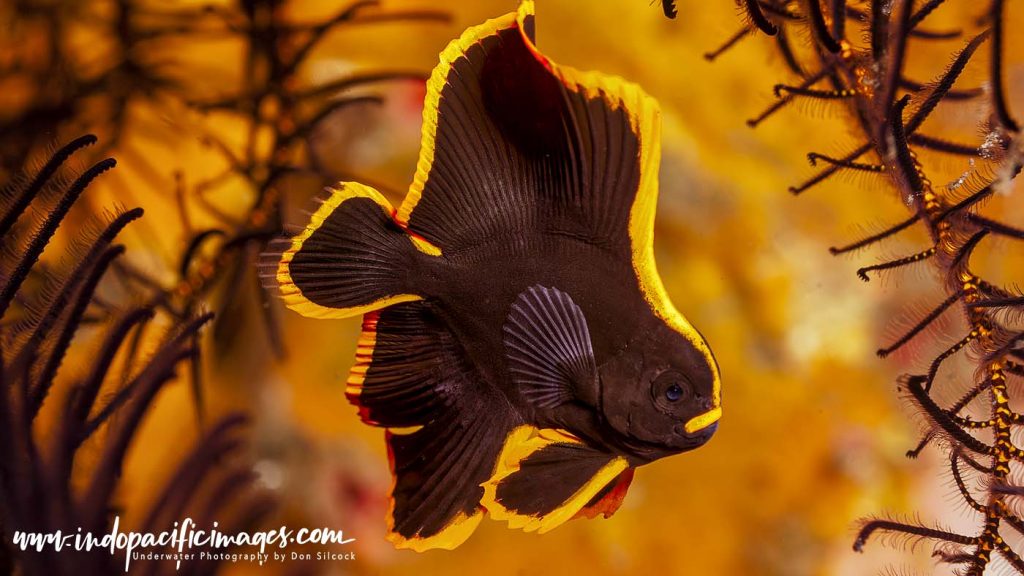
One of the enduring appeals of the Liberty is its unpredictability.
The wreck acts as a magnet for marine life, and encounters with larger pelagic species are always a possibility. Divers in Tulamben are well accustomed to hearing the phrase, “you should have been here last week,” often followed by stories of unexpected sightings.
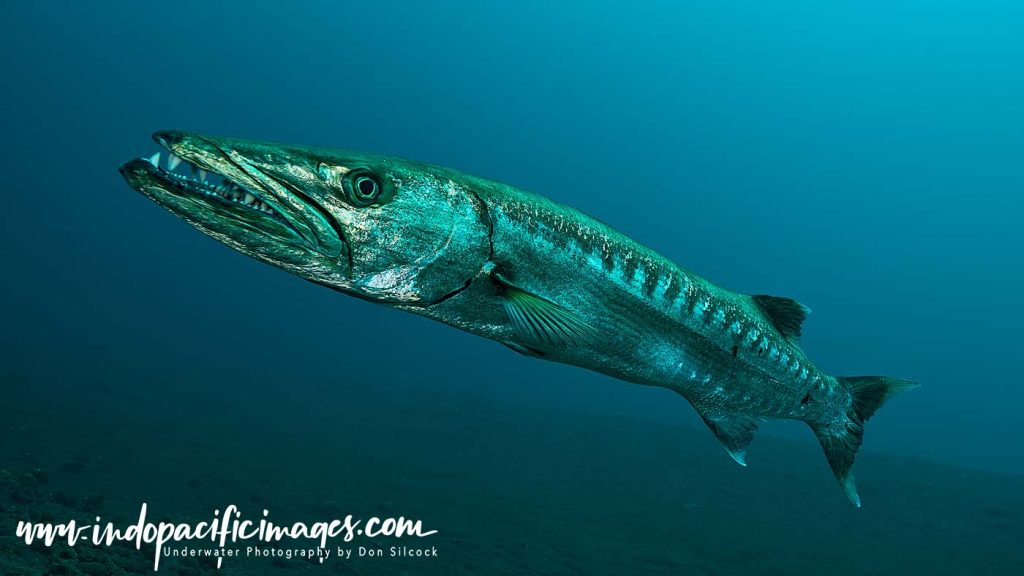
Ocean sunfish, or Mola mola, are occasionally seen in the deeper water around the wreck, particularly during the cooler months of August and September. Whale sharks are also known to make sporadic appearances.
These encounters are never guaranteed, but that sense of possibility is part of what makes diving the Liberty so compelling.
And, as with so much else on this wreck, early morning tends to offer the best chance of something out of the ordinary.
The USAT Liberty Wreck – Should You Go?
As you may have gathered, I have developed something of a long-standing fascination with the Liberty.
Its history is compelling, but what continues to draw me back is the way the wreck has evolved into a living, dynamic system – a microcosm of the very best of Bali’s diving.
Yes, the site can be heavily dived during the middle of the day. But with thoughtful planning, that is easily managed.
Focus on early morning and late afternoon dives for the Liberty itself and use the middle of the day to explore the many excellent macro sites in the surrounding area. Approached that way, Tulamben offers a remarkably diverse and rewarding diving experience. The USAT Liberty remains one of the most accessible and engaging wreck dives in the world and worth visiting – perhaps even worth returning to more than once…
When to Dive the USAT Liberty Wreck
The very best time of year to dive the Liberty wreck is in October and November. After the southeast (dry season) monsoon has ended, but before the northwest one (wet season) has begun. Generally, during this two-month window, the conditions are at their calmest and the diving is at its best.
Then the northwest monsoon starts in December – going through to early April. And strong winds together with rough seas happen a lot during the wet season…
From May through to about mid July, after the wet season has finished, is also generally very good. But from the end of July through to early September the high winds and rough seas return!
Then around the end of September the conditions start to improve again leading in to that optimum two-month window.
Liberty Wreck X-Ray Article
The highly regarding global diving magazine X-Ray recently published an extensive seven-page article of mine on the USAT Liberty wreck in Tulamben and you can use the following link to download Bali’s Famous Liberty Wreck for their website.