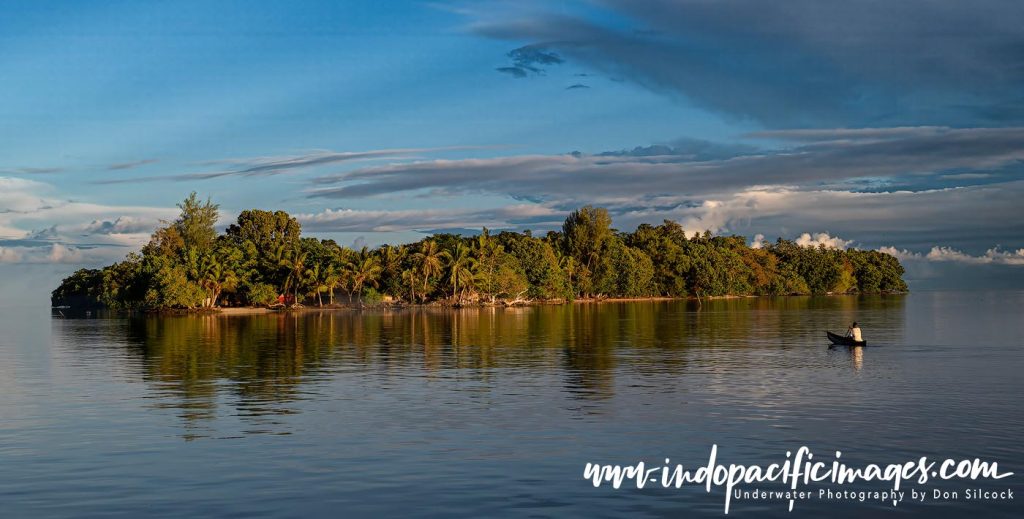
Diving Solomon Islands… Remote, rugged, and astonishingly rich in marine life, the Solomon Islands remain one of the last truly wild frontiers of the Indo-Pacific. Here, far from the well-worn tourist circuits, you’ll find an underwater world that feels untouched — a place where pristine coral gardens, dramatic drop-offs, and WWII wrecks lie scattered across an archipelago of more than 900 islands.
For those seeking a diving destination that blends vibrant biodiversity with deep history and genuine remoteness, the Solomons offer an experience unlike anywhere else in the Coral Triangle.
Why Dive the Solomon Islands?
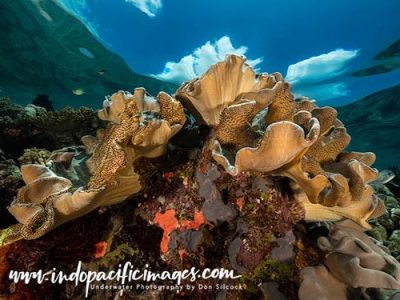
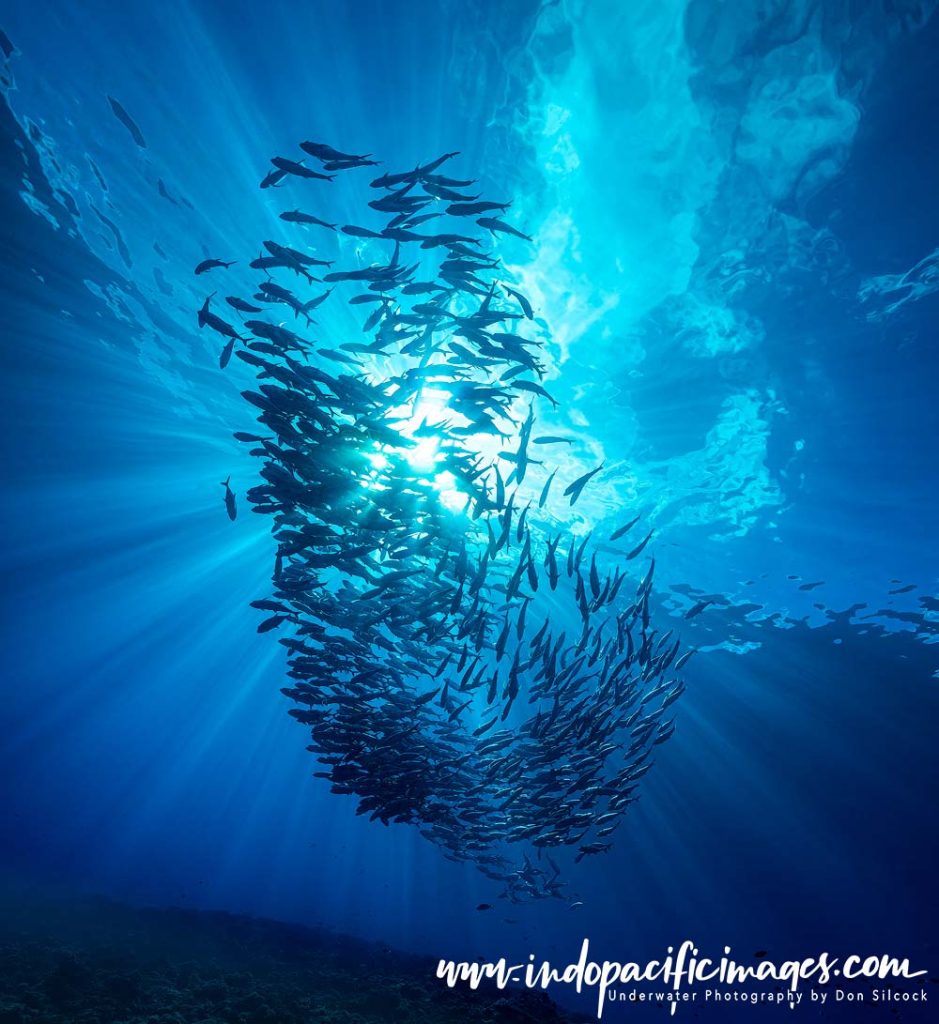
Situated on the eastern edge of the Coral Triangle, the Solomon Islands hold some of the richest marine ecosystems on the planet. Expect everything from hard-coral plateaus and soft-coral walls to schooling jacks, barracuda, reef sharks, and the occasional pelagic visitor sweeping in from deep water.
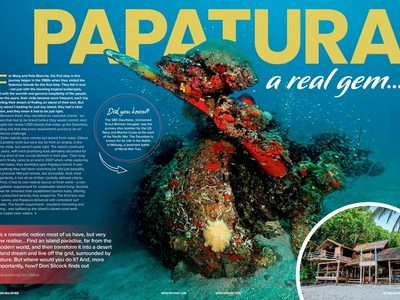
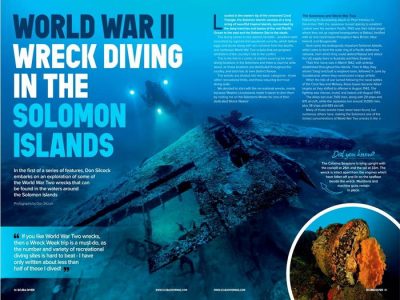
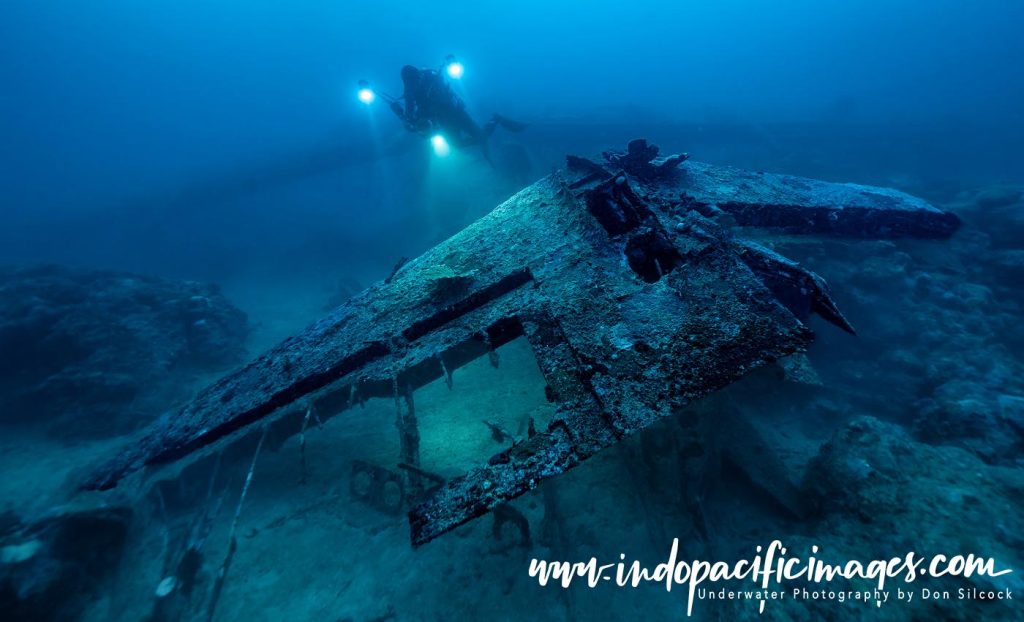
Layered over this is a legacy from World War II now resting on the seafloor — iconic wrecks, downed aircraft, and entire ships preserved by warm tropical waters. Nowhere else in the Indo-Pacific delivers quite the same balance of thriving reefs and dramatic wartime relics.
But, perhaps one of the Solomon Islands’ true luxuries is space. The reefs are healthy, the dive sites are uncrowded, and the sense of adventure is ever-present. This is diving as it used to be — intimate, personal, and often astonishingly beautiful.
The Three Main Diving Regions
1. Marovo Lagoon & Uepi Island
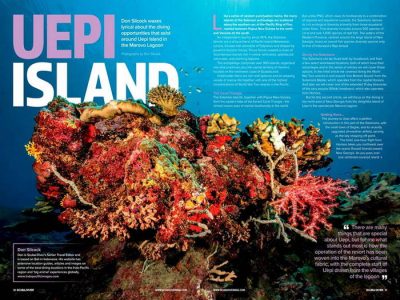
One of the largest saltwater lagoons in the world and a UNESCO-listed wonder, Marovo Lagoon offers some of the Solomon Islands’ most spectacular reef diving – expect to see:
- Healthy hard and soft corals
- Walls and passes with reef sharks
- Manta sightings and seasonal pelagics
- Outstanding wide-angle photography
For more detail, see: Diving Uepi Island.
2. Gizo & New Georgia
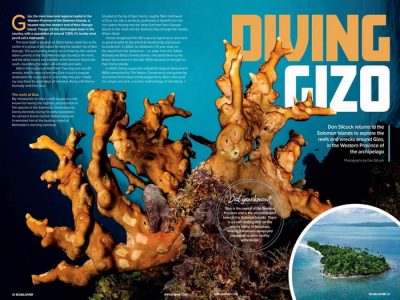
Gizo combines relaxed village charm with stunning dive sites, including some of the best WWII wrecks in the region. Expect to see:
- The Toa Maru — one of the Solomon’s great wreck dives
- Colourful reefs at Grand Central Station
- Abundant fish life drawn by the rich currents
- Excellent visibility
For more, see Diving Gizo
3. Iron Bottom Sound & Guadalcanal
A name forever steeped in history, Iron Bottom Sound is home to dozens of ships and aircraft lost during the intense WWII battles around Guadalcanal. Expect to see:
- Deep, atmospheric wrecks
- Historic aircraft
- Steep walls and coral-laden ridges
- Strong cultural and historical resonance
For more, see Guadalcanal WWII Wrecks
Logistics – Getting There
The Solomon Islands’ main international gateway is Honiara (HIR). From there, domestic flights connect to Gizo, Seghe, Munda, and other key diving hubs.
Best Time to Dive
The Solomons offer good diving year-round. However, April to November generally has the calmest seas and best visibility, while December to March is the wetter season, but reefs remain excellent
Water temperatures typically range from 28–30°C.
Conservation & Culture
The Solomon Islands’ reefs remain healthy thanks to low tourist pressure and community-based stewardship. Visitors have opportunities to experience local Melanesian culture — a vital dimension of any trip here — and to support locally-run resorts and dive operations that contribute directly to conservation and sustainable practices.