
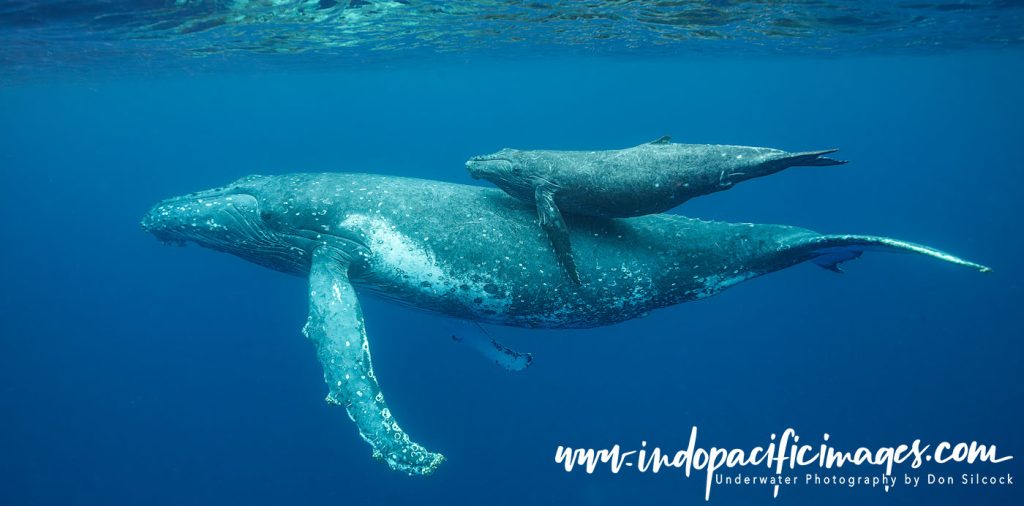
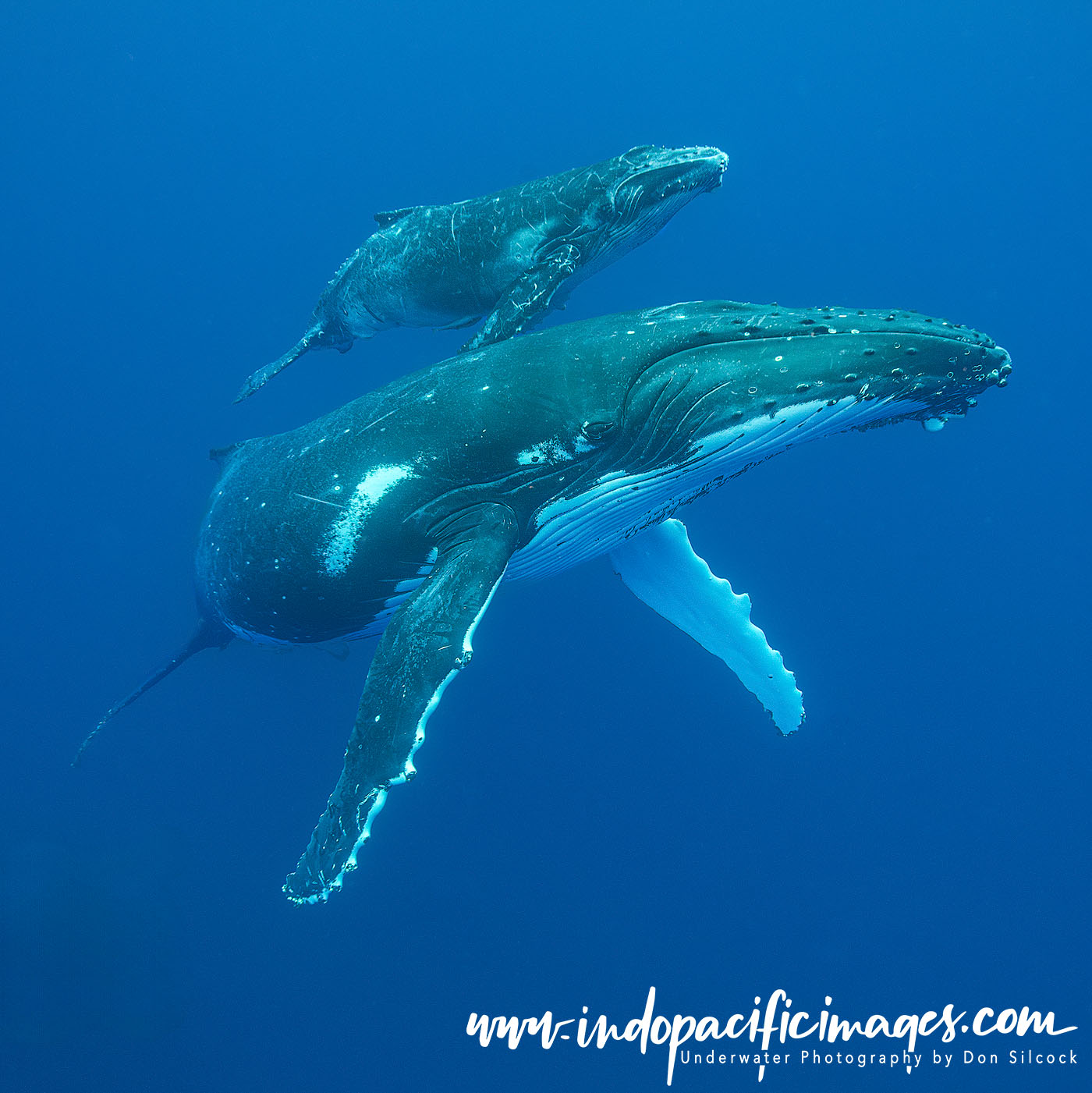
The Tongan Tribe refers to the distinct population of southern humpback whales (Megaptera novaeangliae) that migrate annually to the warm waters of the Kingdom of Tonga.
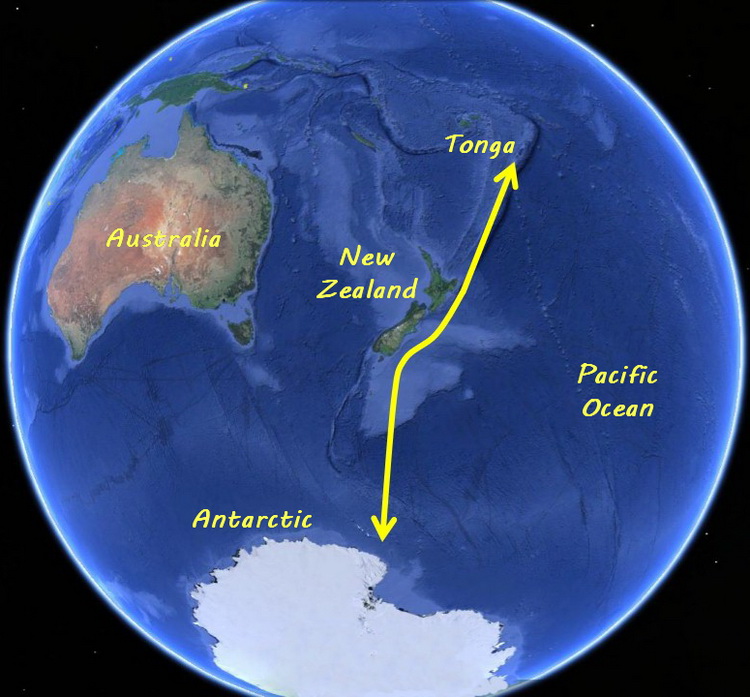
That migration takes the members of the tribe from their rich summer feeding grounds in the Antarctica to their winter breeding grounds in the Tongan archipelago.
It is one of the largest and longest animal movements in the world.
And similar annual migrations occur with virtually all of the known humpback populations in both the northern and southern hemispheres.
The whales of the Tongan Tribe are among the least studied and known of the seven populations (or breeding stocks) of humpback whales in the Southern Hemisphere.
This page provides an overview of the Tongan Tribe, their history, migration, population status, and most importantly, why the Kingdom of Tonga plays such a critical role in their survival.
It is in many ways a perfect illustration of a highly tuned evolutionary mechanism.
Basically nature at its very best!
The Tongan Tribe – Whaling and Near‑Extinction
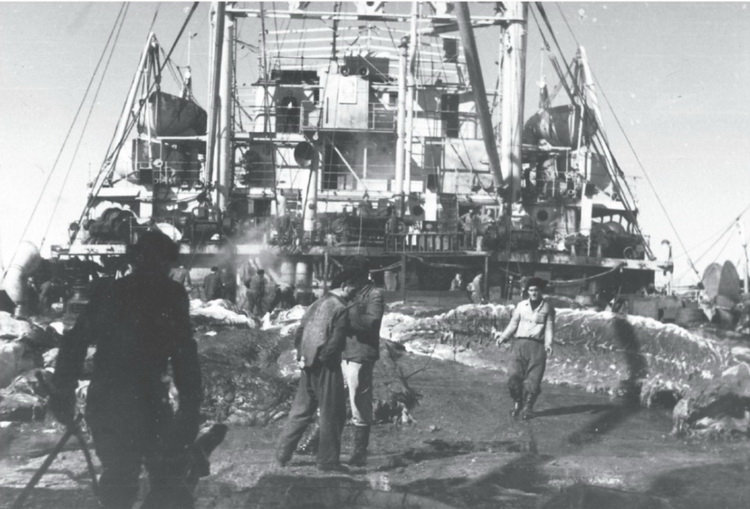
Tonga’s remote location meant that its humpbacks were among the last whales to be hunted and, like many whale populations worldwide, the impact of industrial-scale whaling was devastating. By the mid‑1900s, sightings of humpback whales in Tonga had become rare.
Data from the New Zealand whaling industry shows that between 1911 and 1963 around 4,000 humpbacks were taken by their coastal whaling stations. But the biggest damage was in the Antarctic feeding grounds, where a horrendous total of 48,000 whales were taken illegally by the former Soviet Union in the 1950s.
With many thousands of those believed to have been from the “Tongan Tribe” and by 1964 the estimated number of humpbacks in the Tonga population had fallen dramatically from a pre-whaling peak of about 10,000, to less than 250.
The establishment of a whale sanctuary in Tonga in 1978 and the global moratorium on whaling in 1986 eventually allowed the population to begin a slow recovery.
Subsistence Whaling
Traditional whaling, or as the International Whaling Commission calls it, “Aboriginal Subsistence Whaling” is where communities have a proven cultural and subsistence need to hunt and kill whales.
But… doing it as they always have and small-scale, semi-traditional, whaling had been practiced in Tonga since the 19th century.
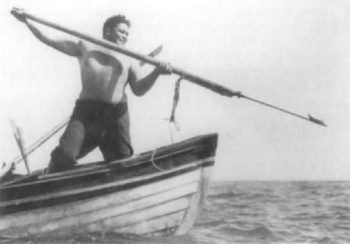
Prior to the industrial-scale whaling, when the overall population of the Tongan Tribe was in the thousands, those semi-traditional practices had minimal impact
But as the full impact of commercial whaling, and the illegal wholesale slaughter carried out by the Soviet Union decimated the humpback populations of the South Pacific, it became a critical factor in the very survival of the Tongan population.
The Tongan whalers used large canoes and handheld harpoons to hunt humpbacks. And their only way to harvest the meat, oil and bones of the captured whale was to tow it back to shore.
Which meant that the only whales they stood a chance of killing were the small 2-3 ton calves. Because if they harpooned a large humpback, the hunters would be the ones being towed… probably far out to sea!
Hunting the calves had a disproportionate impact on the already critically small numbers of the Tongan humpback population. A situation that was tacitly acknowledged when the King of Tonga formally banned whaling completely in 1978.
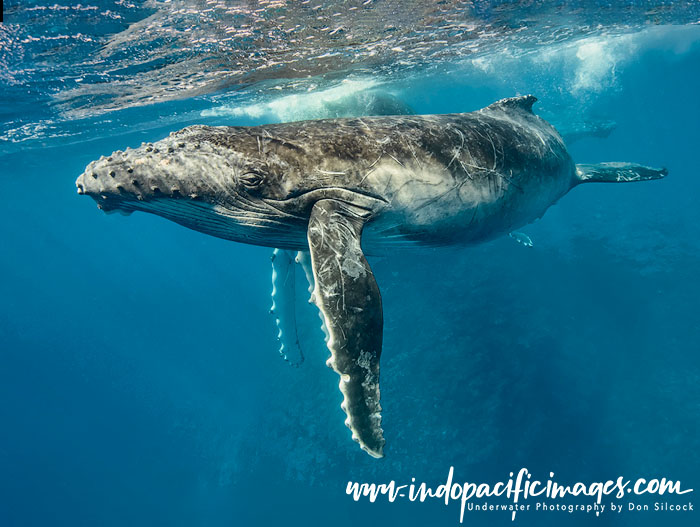
Given the subsequent development of whale-watching and whale-swim tourism in Tonga in the last 15 years or so. And the partial rebound in the Tongan humpback population. There is little doubt that decision was a very wise and far-sighted one!
How many Humpback Whales are there in the Tongan Tribe?
The exact number of the Tongan tribe of humpback whales is not known. But the best estimate appears to be between 1500 and 2000 less than 20% of what it was. And why there is on-going concern when other populations in Australia, for example, have bounced back!
However it’s still six to eight-fold increase from the low of 250 which clearly threatened the very survival of the humpback whales of Tonga.
Not all those whales take place in the annual migration to Tonga however. Many females may rest there when they are not pregnant, or not ready to mate again. And it is has been estimated that about 700 humpbacks currently make the journey.
Back To: The Humpback Whales of Tonga – A Guide