Diving Indonesia… The vast archipelago of more than 17,000 islands that forms Indonesia sits at the very heart of the Coral Triangle — the global centre of tropical marine biodiversity — and supports the richest concentration of marine life on Earth. Straddling the equator between the Pacific and Indian Oceans, Indonesia encompasses an extraordinary diversity. With coral reefs, mangrove forests, seagrass meadows and deep-ocean ecosystems, creating one of the planet’s most remarkable marine environments.
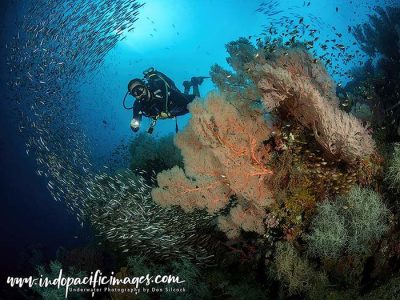
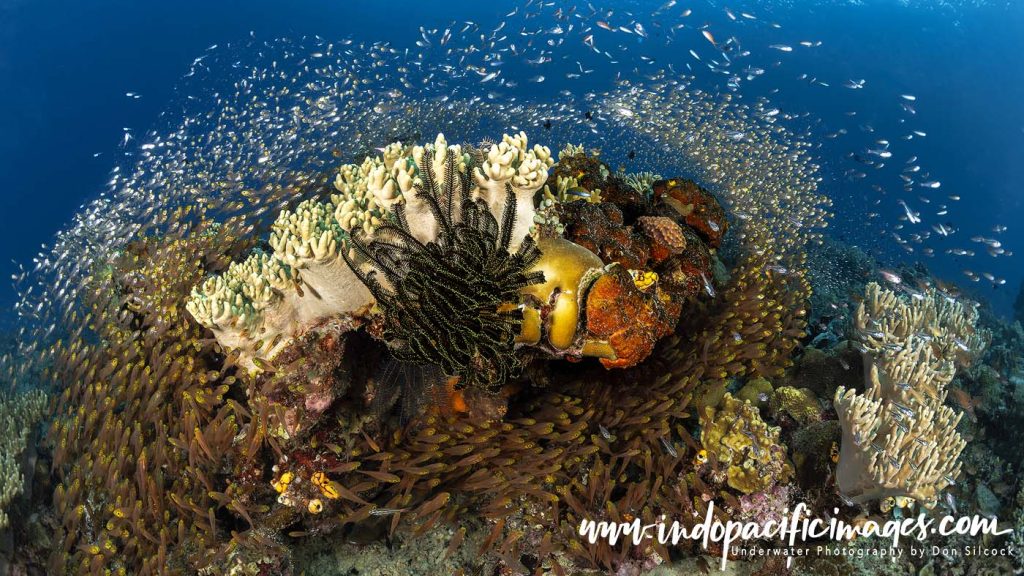
Indonesia’s reefs are among the most species-rich globally, with scientists recording more than 569 species of reef-building corals — approximately 75% of all known coral species worldwide. The country also supports more than 2,500 species of reef fish, Representing roughly one-third of the world’s total reef fish diversity. In areas such as Raja Ampat, individual dive sites can contain over 300 fish species and more than 350 coral species.
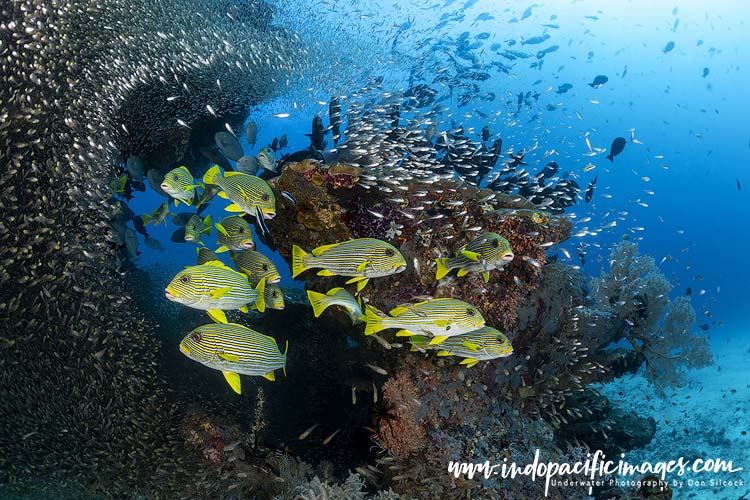
This remarkable biodiversity is driven by Indonesia’s unique geography and oceanography.
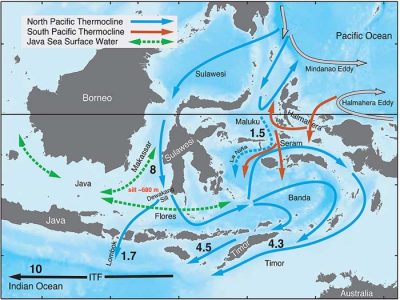
The Indonesian Throughflow — the movement of water between the Pacific and Indian Oceans — transports nutrients and marine larvae throughout the archipelago.
Creating highly productive ecosystems and enabling exceptional species connectivity.
Indonesia is also globally important for larger marine fauna.
Its waters support more than 220 species of sharks and rays, including manta rays, wobbegongs and several endemic walking shark species.
Six of the world’s seven marine turtle species occur in Indonesian waters.
While deep channels and seasonal upwellings attract whales, dolphins and other pelagic species.
Beyond coral reefs, Indonesia possesses the world’s largest extent of mangrove forests and extensive tropical seagrass ecosystems. These habitats play critical ecological roles as fish nurseries, coastal protection systems and major blue carbon reservoirs.
Despite growing pressures from climate change, overfishing and pollution, Indonesia remains one of the most important marine biodiversity hotspots on Earth and continues to play a critical role in global marine conservation and scientific research.