
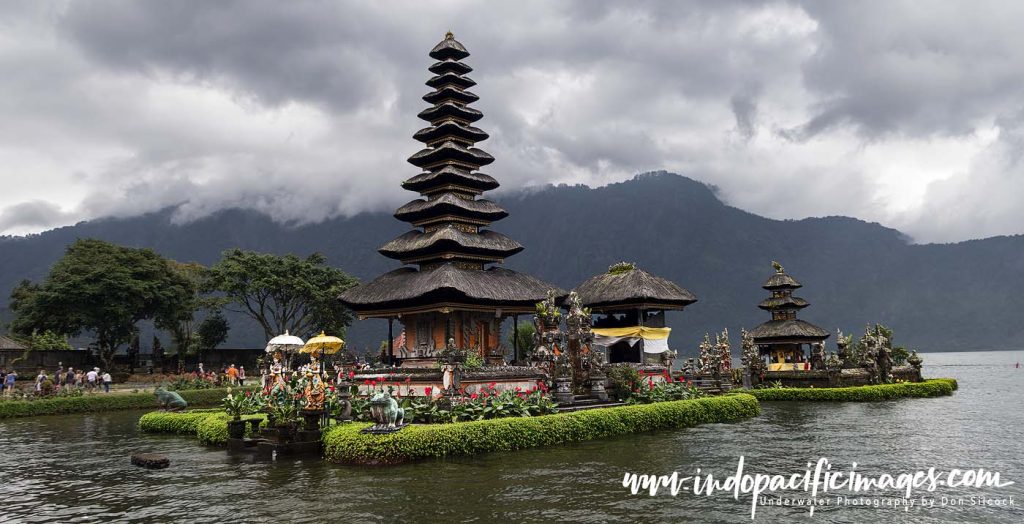
The Island of the Gods… Bali is without doubt a special and unique place. An integral part of the vast Indonesian archipelago, yet different in so many ways. Predominantly Hindu in a nation where Islam is the principal religion. Bali is the only place outside the Indian subcontinent where Hinduism exists in such strength and cultural significance.
Hinduism was first introduced to the region by Indian traders during the 6th century. It spread rapidly throughout the archipelago, reaching its peak during the 14th century under the Majapahit Empire.
The rise of Islam from the 14th century onwards slowly eclipsed the Hindu kingdoms and ultimately forced the remnants of the Hindu elite to seek refuge in Bali towards the end of the 15th century.
Their descendants have succeeded in both protecting and enriching their heritage through to the present day. Strongly resisting cultural and religious encroachment under a succession of foreign and Indonesian rulers.
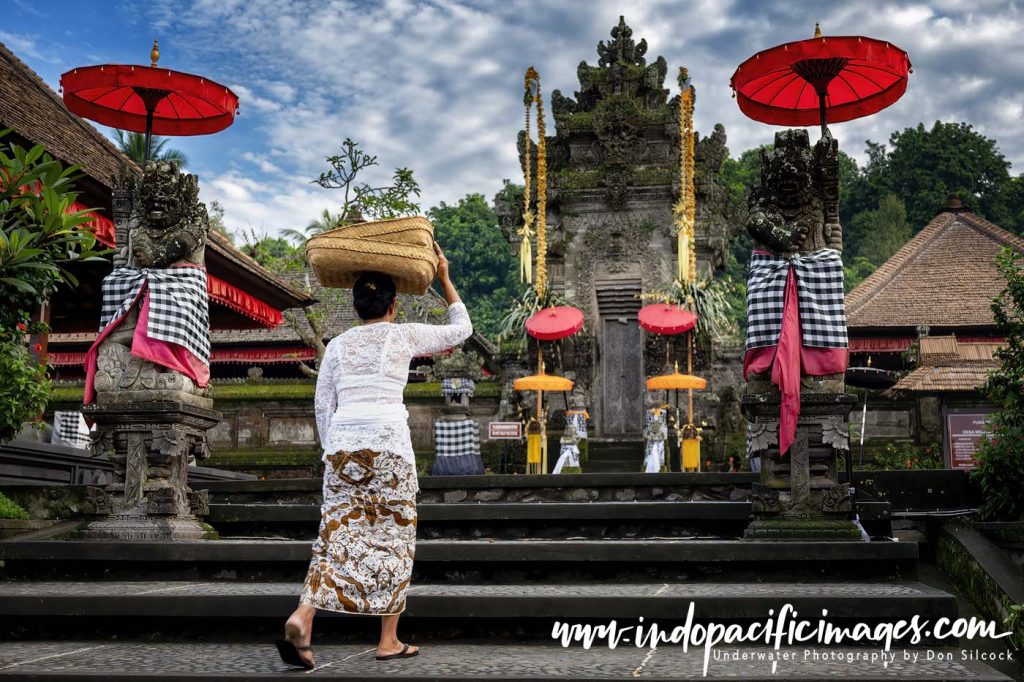
The Island of the Gods – Village Banjar
Modern Balinese culture is a unique fusion of Hinduism and Buddhism. Which is overlaid on a traditional village-based society deeply connected to the fertile volcanic soil of the island. Combined with the many festivals and ceremonies that punctuate daily life, it creates the distinctive character that makes Bali so special.
At the heart of village life is the Banjar committee, which represents a grouping of households within the local community.
Banjar literally means “neighbourhood”, and the committee plays a fundamental role in Balinese life. Membership is compulsory for all married men, and regular meetings are held to discuss issues such as religious festivals, temple maintenance, ceremonial contributions, land matters, and community responsibilities.
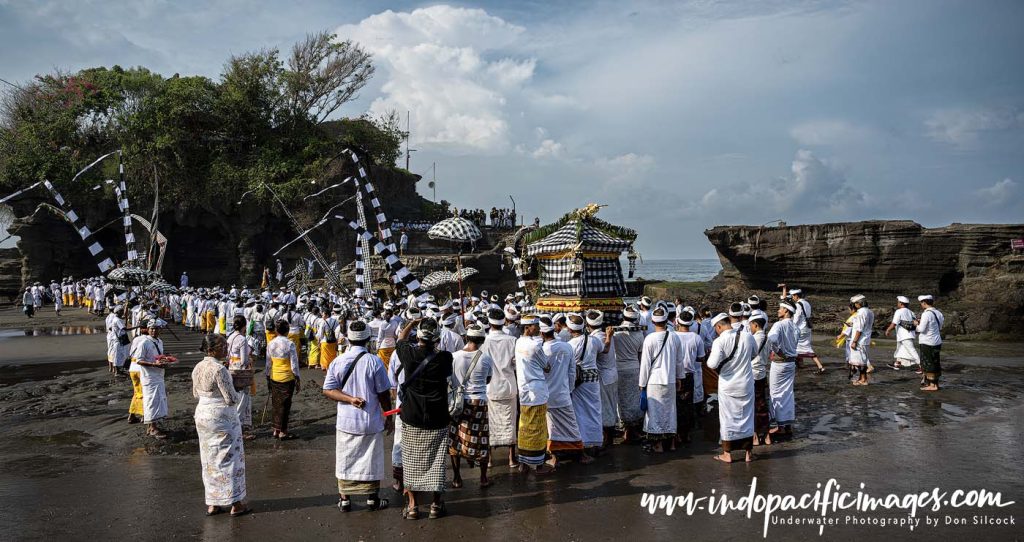
When necessary, the Banjar also administers punishment for troublemakers under the traditional law known as Adat. And because decisions are made communally using the principles of Adat, the Banjar reinforces the balanced and interconnected nature of village life that remains central to Balinese society.
Water and the Subak
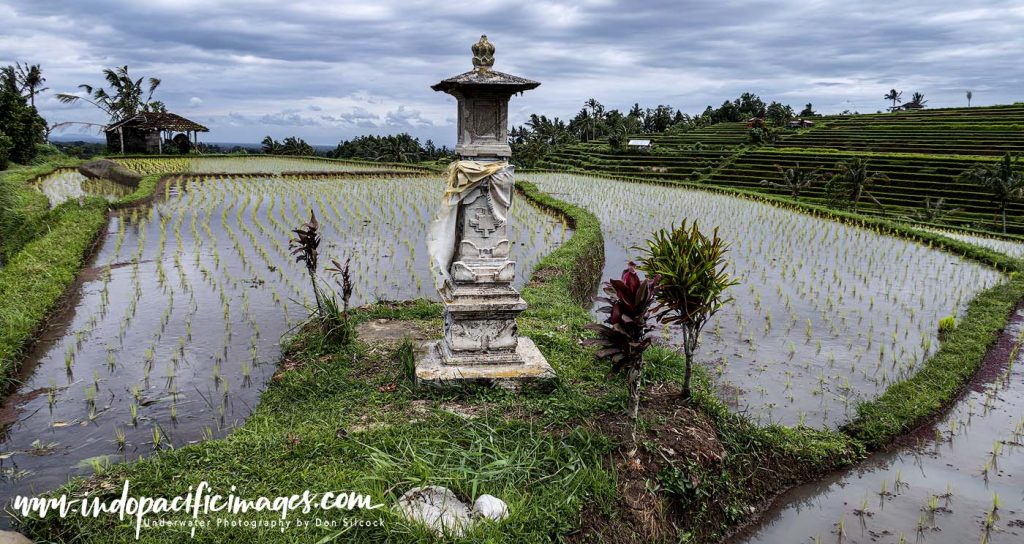
While the Banjar focuses on maintaining village harmony. A second community organisation known as the Subak is responsible for the Sawah, or rice fields, that are integral to Bali’s social and agricultural systems.
The role of the Subak is to control and distribute the water required to grow rice. The traditional foundation of both Bali’s economy and culture.
Subak meetings determine when farmers may flood their fields, ensuring fair and efficient water management across entire communities. The system is based on the Hindu philosophy of Tri Hita Karana, which promotes harmony between people, nature, and the spiritual world.
This communal approach to farming and village life has proven remarkably effective and remains one of the defining characteristics of Bali’s cultural identity.
The Island of the Gods – Tourism
The Island of the Gods means many things to many people…
To the Balinese themselves, it is home — a place they are deeply proud of and fiercely protective towards.
At the same time, they remain remarkably welcoming to the millions of visitors who travel to the island each year.
It is not simply the economic benefits of tourism they embrace.
In general, the Balinese are genuinely warm and hospitable people who understand both the opportunities and challenges tourism brings.
The downside, however, is evident in the overdevelopment of some areas of the island.
Particularly in the south where traffic congestion and infrastructure pressures have become significant issues.
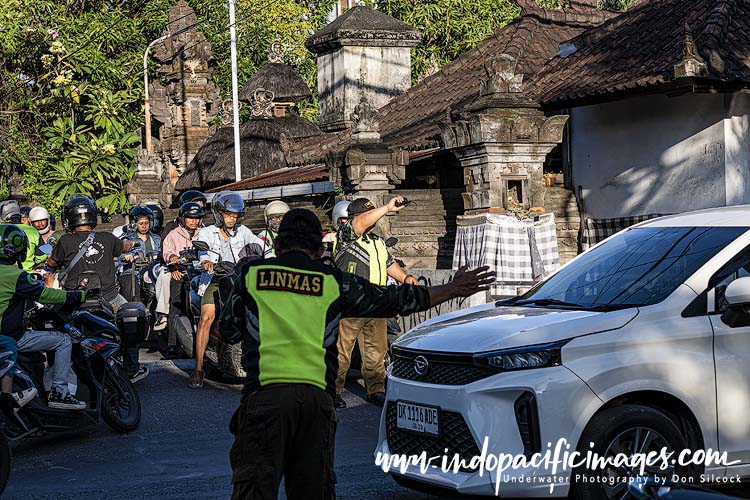
For the many expatriates who have chosen to make Bali their home, the island offers an attractive lifestyle combined with a relatively affordable cost of living. That said, Bali is not without its frustrations, with traffic and bureaucracy often topping the list.
For visitors, Bali offers the complete spectrum of accommodation and experiences. Whether you seek an ultra-luxury resort, a boutique villa, or a humble losmen homestay, you will find it here — along with everything in between.