
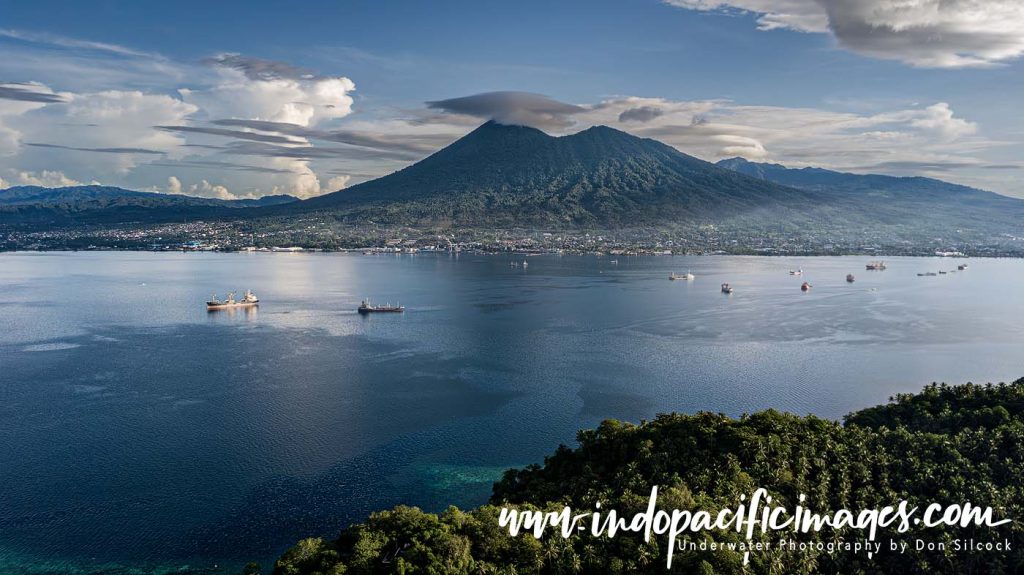
The Lembeh Strait, located off the northeast tip of North Sulawesi in Indonesia, separates the rugged mainland from the quieter, more remote Lembeh Island. Although it measures just over 12km in length and barely 2km at its widest point, this unassuming channel has earned a legendary reputation in the diving world. What appears on the surface to be a simple, sheltered body of water is, in fact, one of the planet’s most celebrated destinations for exotic “critter” diving — a place where rare and extraordinary marine life flourishes in abundance.
Beneath the calm, glassy surface lies an underwater environment that continually surprises first-time visitors. Instead of vibrant coral gardens or towering reef structures, the seafloor is dominated by gently sloping expanses of volcanic black sand. This stark, minimalist landscape may seem barren at first glance, but it serves as the perfect stage upon which some of the ocean’s most unusual inhabitants reveal themselves. The dark substrate absorbs and reflects light differently from coral reefs, helping divers and photographers spot animals that might otherwise remain invisible, while also creating dramatic photographic contrast.
Lembeh’s fame as the “Critter Capital of the World” is no accident. The Strait’s unique topography funnels nutrient-rich currents through its narrow passage, creating ideal conditions for an astonishing diversity of life. Over time, this ecological combination has allowed a remarkable cast of species to thrive here — many of which are seldom seen anywhere else. Divers can encounter flamboyant cuttlefish pulsing with colour, the elusive blue-ringed and mimic octopus displaying behaviour that borders on the surreal, and a bewildering array of frogfish, seahorses, pipefish, shrimps, crabs, and nudibranchs in every conceivable shape and pattern.
What makes Lembeh especially compelling is the way these animals live. Many are true masters of camouflage, expertly mimicking sand, debris, algae, or sponges to evade predators and ambush prey. As a result, diving in Lembeh is not about racing across expansive reefs — it’s about slowing down, scanning carefully, and discovering hidden gems one by one. Each dive becomes a patient and absorbing treasure hunt, where even a single square metre of seabed can reveal multiple species if observed closely. For underwater photographers, the opportunities for behaviour, macro portraits, and unique subjects are virtually endless.
The links on the pages below explore in more detail why the Lembeh Strait supports such extraordinary biodiversity, showcase images of those exotic critters, and explain how best to plan and experience a dive trip to this truly remarkable destination.
The Lembeh Strait
Understanding the Lembeh Strait
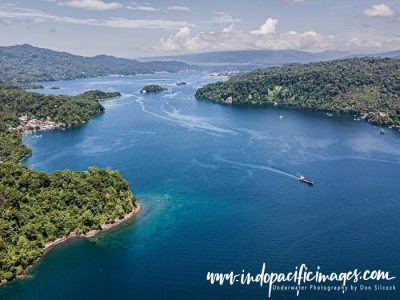
Tucked between North Sulawesi and Lembeh Island, the Lembeh Strait is legendary among divers as Indonesia’s “Critter Capital.” Its black volcanic sands and nutrient-rich waters create a perfect stage for nature’s strangest performers — from mimic octopuses to flamboyant cuttlefish. Understanding the …
Critters of the Lembeh Strait
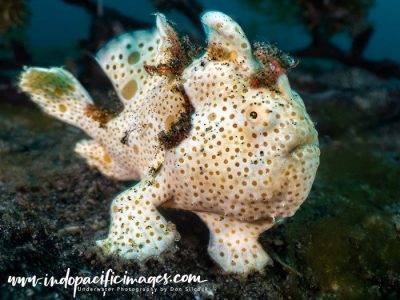
Often described as the “Critter Capital of the World,” the Lembeh Strait is truly one of the best places to encounter the ocean’s strange and exotic creatures. I’ve been fortunate to visit several times, and below is a selection of images showcasing some of the fascinating critters you can expect to …
How to Dive the Lembeh Strait
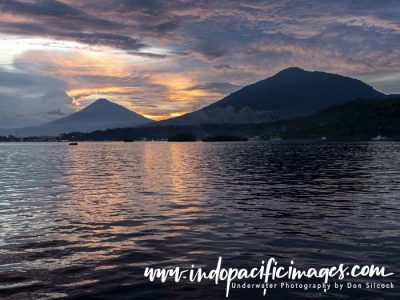
How to dive the Lembeh Strait… Located on the northeast tip of North Sulawesi, the Lembeh Strait has long held a special place in the hearts of divers and underwater photographers. Barely 12km long and just 2km wide, this narrow stretch of water has earned a global reputation as the …