Where to dive in Bali… Diving Bali offers one of the most diverse underwater experiences in Indonesia. From world-famous wreck diving and black sand macro photography to very significant pelagics and vibrant coral reefs. Bali packs an extraordinary range of diving into a relatively small, but very interesting island. An overall experience that’s very hard to beat!
What makes Bali truly special is its position within the Indonesian Throughflow — the immense movement of nutrient-rich water flowing from the Pacific Ocean into the Indian Ocean. As those waters sweep around Bali, Nusa Penida and Nusa Lembongan, they create ideal conditions for marine biodiversity.
The result is diving that ranges from calm shallow critter sites. To fast-moving current dives where manta rays and mola mola patrol the deep blue water. Bali is not a single diving destination. It is really a collection of very different regions, each offering its own distinct underwater character. And is best suited to different interests, experience levels and photographic styles.
Where to Dive in Bali – Tulamben and Amed

The heartland… For many divers, Tulamben is where Bali diving truly begins.
Located on Bali’s north-east coast beneath the towering slopes of Mount Agung, Tulamben has become one of the most famous shore diving destinations in the world.
The main attraction is, of course, the legendary USAT Liberty wreck.
Originally torpedoed during World War II and later pushed into the sea by the eruptions of Mount Agung in 1963, the Liberty has evolved into one of the Indo-Pacific’s most successful artificial reefs.
What makes the Liberty particularly appealing is its accessibility as the wreck begins in shallow water and extends down the slope.
Making it suitable for everyone from snorkellers and beginner divers through to experienced underwater photographers and technical divers.
But Tulamben is far more than just the Liberty wreck.
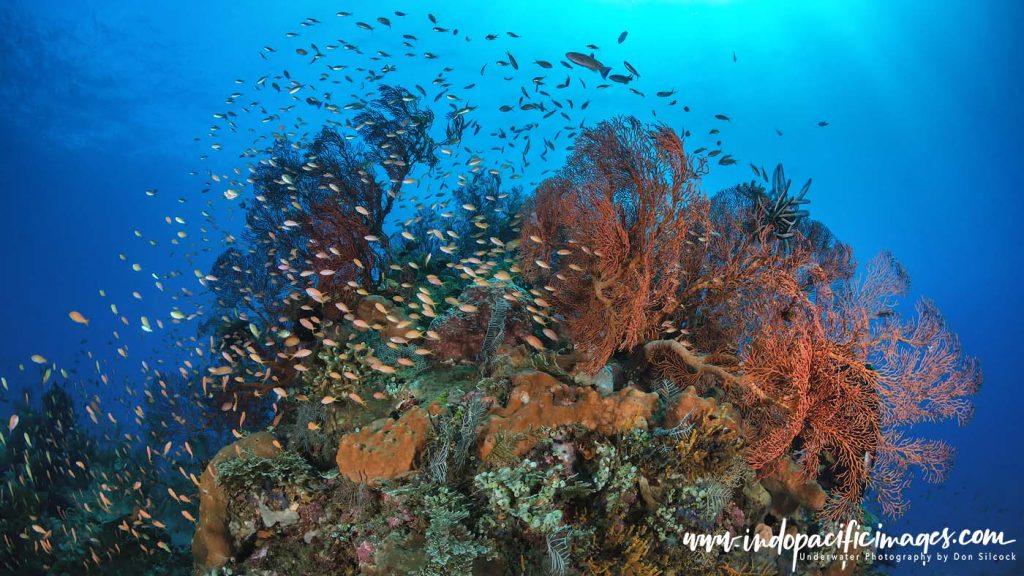
The surrounding coastline offers excellent macro photography opportunities, coral gardens and smaller reefs. Nearby Amed provides a quieter and more relaxed atmosphere. With beautiful black sand slopes, healthy reefs and some excellent wall diving.
For underwater photographers, the Tulamben and Amed area is arguably the most versatile dive region in Bali.
The East Coast – Padang Bai and Candi Dasa
Located along Bali’s east coast, Padang Bai and nearby Candi Dasa have an excellent variety of diverse diving ranging from calm coral reefs and black sand macro sites to dramatic current-swept pinnacles and seasonal pelagic encounters.
All the sites in the area are influenced by the nutrient-rich currents created by the Indonesian Throughflow in the nearby Lombok Strait.
Those currents have created excellent marine productivity, but they can also produce highly dynamic conditions that vary significantly from site to site.
So care and strong local knowledge are the key to diving the area.
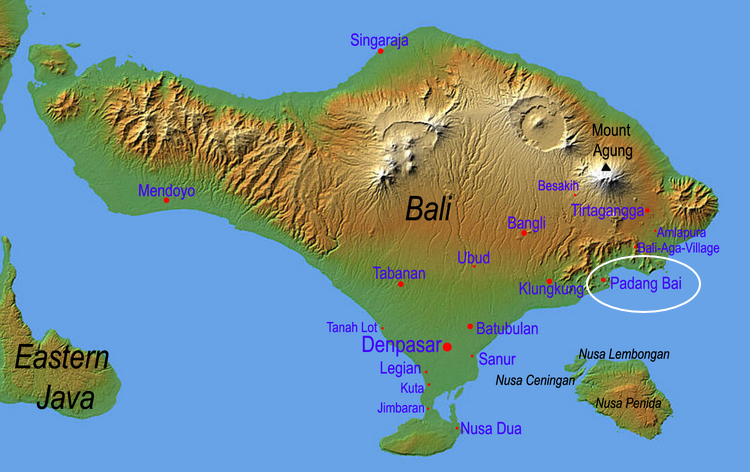
The sheltered bays around Padang Bai host a couple of excellent sites, Blue Lagoon and Jepun. Which feature healthy coral reefs, sandy slopes and excellent macro opportunities.
While further offshore, conditions become more energetic… The three main sites are the offshore islands of Gili Tepekong, Gili Mimpang and Gili Biaha. All three are directly exposed to the strong currents of Lombok Strait and should only be dived by advanced and technically qualified divers.
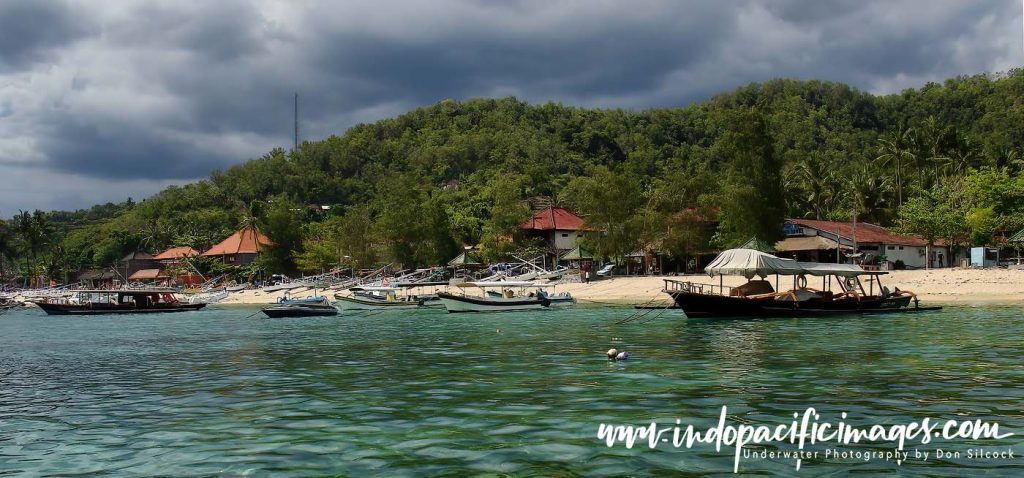
Where to Dive in Bali – The Northwest

There are three main areas of interest in the northwest of Bali. With the first, and by far the largest, being Menjangan Island at the top of the Bali Strait that separates Bali and Java.
Located within the West Bali National Park, Menjangan Island offers a very different diving experience from the currents of the east coast and the crowds of Tulamben.
The island is best known for calm conditions, generally excellent visibility, healthy coral reefs and excellent wall diving.
The second main area is a kind of “must do” for underwater photographers and critter lovers – Gilimanuk Bay. Or as it is more commonly known Secret Bay…
For underwater photographers, Secret Bay has become something of a pilgrimage site.
The bay is an almost perfect environment for critters as it is sheltered and recieves a steady flow of nutrient-rich waters entering from the Bali Strait.
There are many things to see if you know where to look and an experienced local guide is a must as they re exceptionally skilled at locating subject matter for underwater photographers.
Frogfish, ghost pipefish, dragonets, nudibranchs and many other macro subjects can be found there.
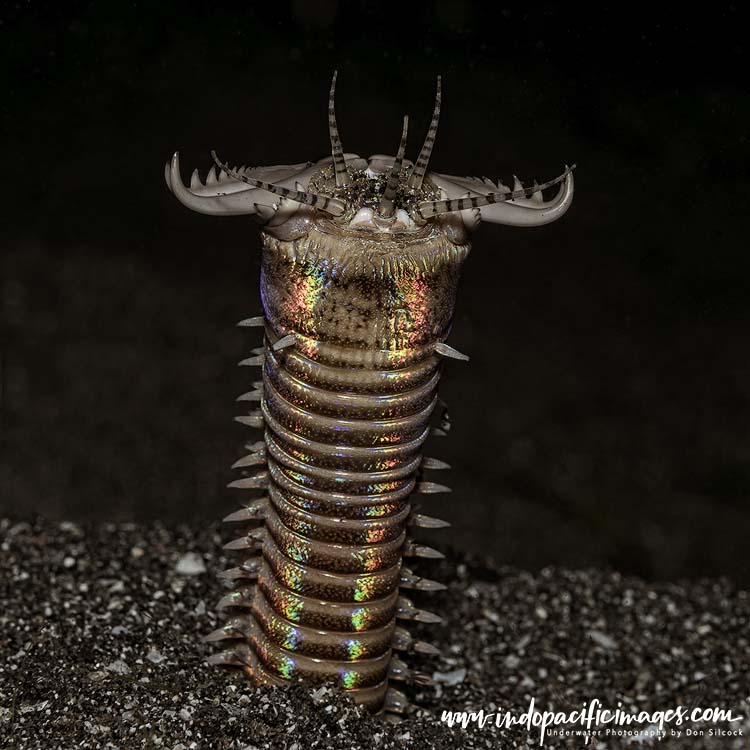
Secret Bay is also one of the best places in Bali to photograph the rather strange and slightly sinister Bobbit worm – after dark
The third area is the reefs at Pemuteran, which I have never personally dived. But from what I understand the reefs were badly damaged by unusually warm (El Nino produced) sea temperatures. That was way back in 1998, but the reefs have still not fully recovered.
Where to Dive in Bali – Lembongan and Nusa Penida

Located off Bali’s south-east coast, Nusa Penida and Nusa Lembongan sit directly in the path of the Indonesian Throughflow as it exits through the Lombok Strait.
The nutrient-rich water flowing through the area creates extraordinary marine productivity — but also some of the strongest currents in Indonesia.
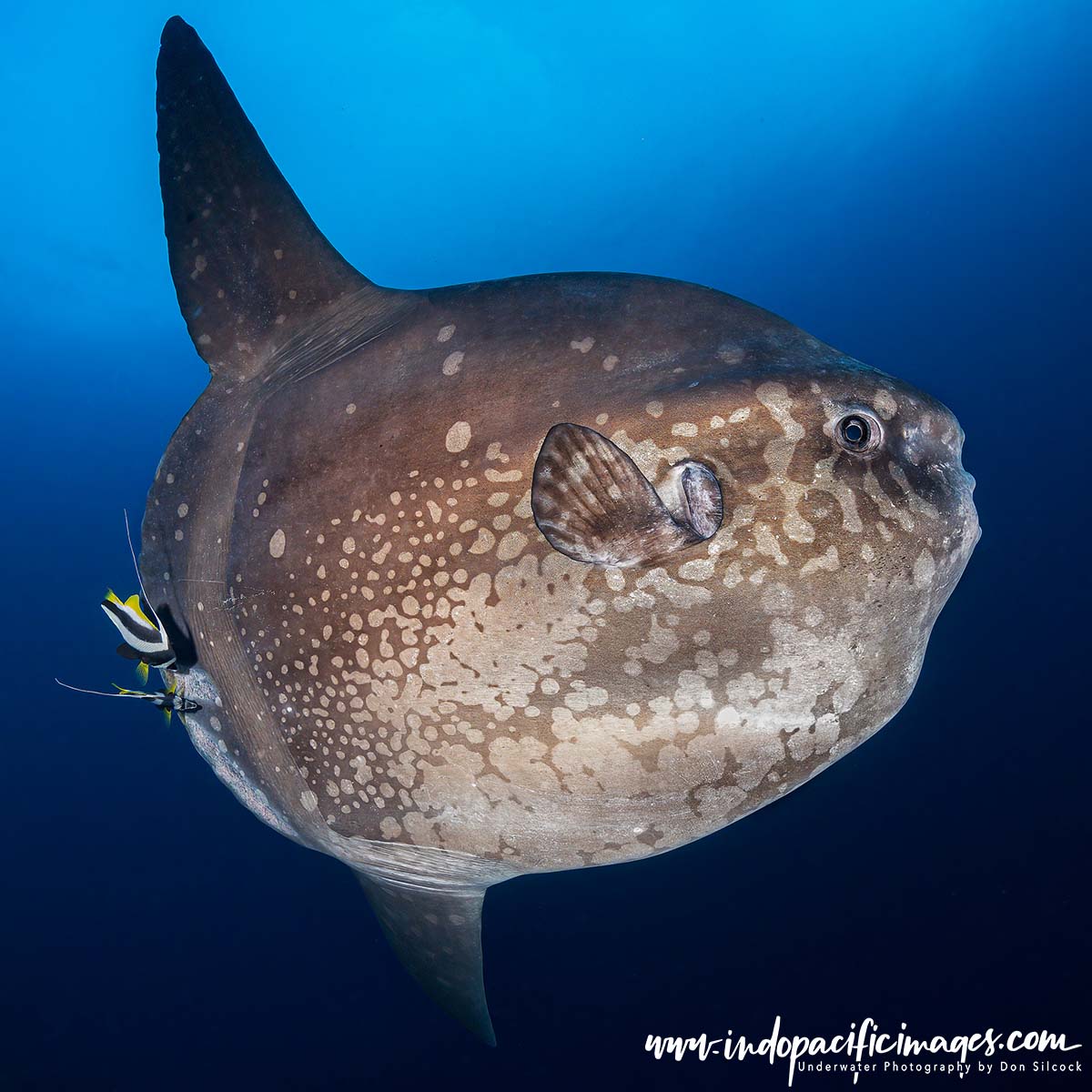
These islands are best known for two iconic encounters – manta rays and mola mola (oceanic sunfish)
Manta Point on the southern side of Nusa Penida offers one of the most reliable manta ray encounters anywhere in Indonesia. While during the cooler months, usually from July through October, mola mola can often be encountered in deeper water around sites such as Crystal Bay and Blue Corner.
The reefs around Penida and Lembongan can be spectacular, with strong coral growth and schooling fish. But conditions can change rapidly, and some sites are only suitable for experienced divers comfortable in fast-moving water.
When conditions are right however, diving Nusa Penida can be truly world class.