
Tonga 101… The Kingdom of Tonga is a remarkable Polynesian island nation made up of more than 170 islands spread across an archipelago roughly 800 km from north to south.
While its total land area is small — around 750 km² — Tonga occupies a vast expanse of the South Pacific, with islands scattered across approximately 700,000 km² of ocean.
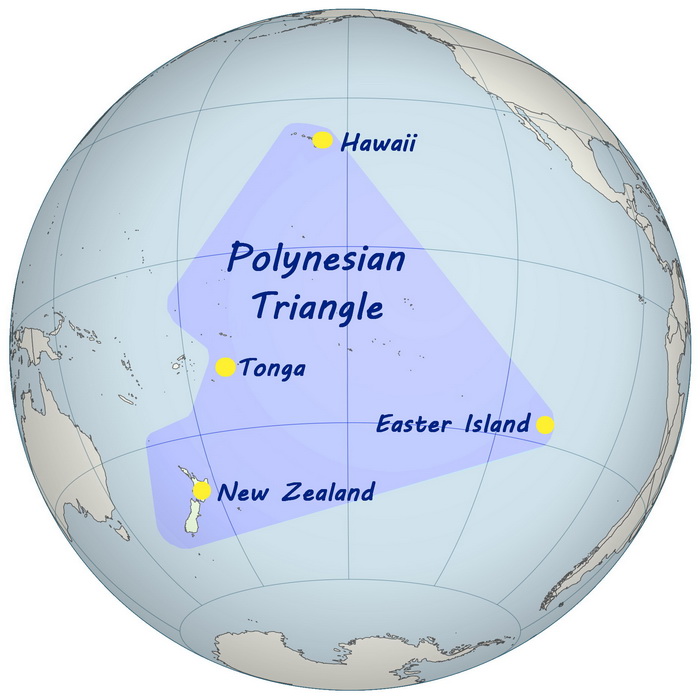
Situated on the western edge of the Pacific within the Polynesian Triangle — defined by Hawaii to the north, Easter Island to the east, and New Zealand to the southwest — Tonga combines dramatic natural beauty with a deeply rooted cultural heritage.
Today, Tonga is also known as one of the rare places in the world where visitors can respectfully share the water with migrating humpback whales that travel thgere each year from their Antarctic feeding grounds.
Geography – Island Groups
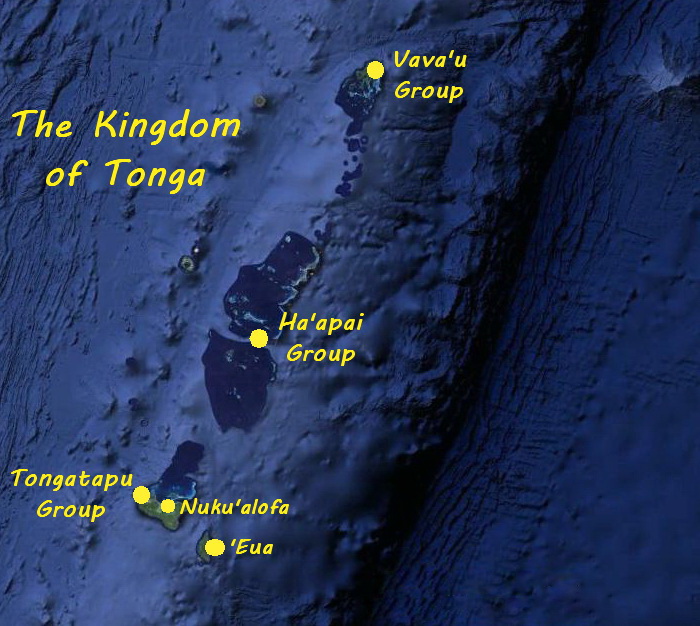
Tonga’s islands are divided into three principal groups:
Tongatapu Group in the south — home to the nation’s capital, Nuku’alofa, on the island of Tongatapu, and the striking island of ʻEua to the east.
Haʻapai Group in the central archipelago.
Vava’u Group in the north, famous for its deep-water channels and marine life.
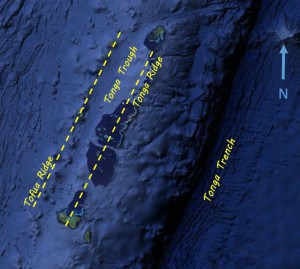
The island chains lie along two roughly parallel ridges running north–south. The eastern Tonga Ridge — which includes Tongatapu, Haʻapai, and Vava’u — is mainly composed of limestone enriched with volcanic soil, while the Tofua Ridge to the west is a series of volcanic cones, many submerged beneath the sea’s surface.
Interestingly, these underwater volcanic features may play a role in guiding humpback whales on their long annual migration to Tonga’s warm, sheltered waters.
A Brief History of Tonga…
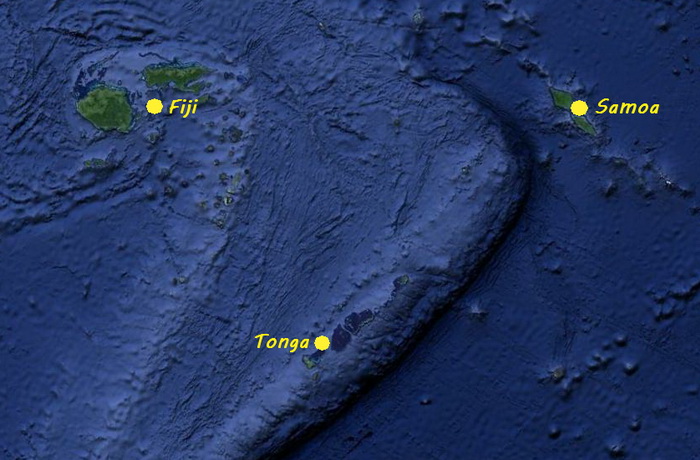
Tonga’s cultural roots reach back thousands of years to the Austronesian Lapita peoples, who are believed to have originated in Southeast Asia and settled in what is now Tonga, Samoa, and Fiji around 3000 BC.
By about 950 AD, the powerful Tu’i Tongan Empire emerged, becoming one of the most influential maritime civilizations in the Pacific.
At its height in the 12th century, this empire extended over some 9,500 km of ocean, stretching from the Solomon Islands in the west to Easter Island in the east.
Tonga’s navigators and shipbuilders were famed across Polynesia for their “kalia” double-hulled canoes — large, ocean-going vessels with distinctive triangular sails that could carry up to 200 warriors and travel long distances at speed.
By the 14th century, the once-formidable Tuʻi Tonga Empire had begun a slow and quiet transformation. For generations it had ruled an oceanic realm through a delicate balance of sacred authority, seafaring skill, and political alliances.
But as rival factions emerged within the royal court, that balance started to fray. Disputes over succession created competing power centres, and the tightly woven fabric of leadership that had held the empire together began to loosen.
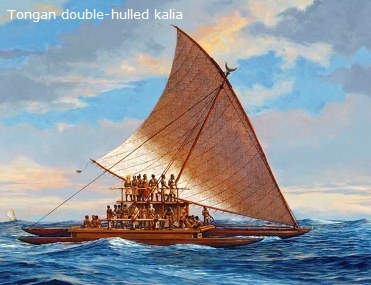
Maintaining control over a vast network of distant islands proved increasingly difficult. The empire’s strength had always depended on loyalty — tribute from allied islands, respect for the Tuʻi Tonga lineage, and the ability to project power across open ocean. As local leaders asserted greater independence and loyalties shifted, Tonga’s influence gradually receded. By the 16th century, the great maritime empire that had once stretched across much of Polynesia had evolved into a more compact kingdom.
Getting to Tonga – International Access
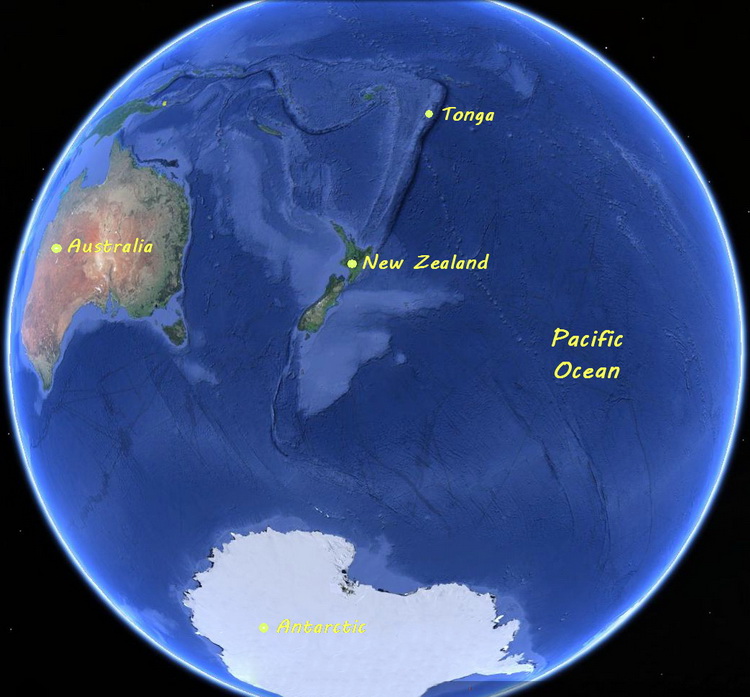
Tonga is remote, and travel logistics are an important part of planning a visit. Most visitors reach Tonga via either Australia, New Zealand or Fiji and all international flights land at Fuaʻamotu International Airport (TBU).
Which is located on the southern coast of Tongatapu, about 35 km from Nuku’alofa, the nation’s capital.
Because most international flights do not include onward connections, travellers often stay near the airport on arrival — for example at Scenic Hotel in the Fuaʻamotu area — before continuing their journey.
Domestic Travel Within Tonga
To reach the northern islands — especially Vava’u, a hub for whale-watching activities — you’ll need an internal flight with Lulutai Airlines, the country’s primary domestic carrier.
In Summary…
Tonga is a unique destination – a deeply traditional Polynesian kingdom set amid stunning island geography with a rich history, a strong and interesting culture and quite remarkable marine life. Truly a special place!
Back To: The Humpback Whales of Tonga – A Guide